

Navigating a home inspection report is one of the most critical stages in any real estate transaction. After an initial purchase offer is accepted, buyers wait eagerly for the inspection results, hoping for a clean assessment of the house. However, a standard professional inspection report is rarely brief. Inspectors are tasked with identifying every visible flaw across the property, ranging from minor cosmetic blemishes and aging fixtures to substantial structural failures and safety hazards. When a fifty-page document arrives filled with high-resolution photographs, thermal readings, and technical jargon, it can easily overwhelm excited buyers and put protective sellers on the defensive.
The secret to successfully managing a detailed inspection report lies in distinguishing between minor routine maintenance items and major structural, mechanical, or safety concerns. Home inspection reports are not pass-or-fail evaluations; rather, they serve as baseline condition audits designed to educate buyers about the current physical state of the building. Understanding how to read the report, prioritize necessary repairs, obtain accurate professional contractor estimates, and negotiate strategically ensures that both buyers and sellers can navigate contract contingencies with confidence, mutual respect, and financial clarity.
Understanding the Scope of a Home Inspection Report
A licensed home inspector conducts an objective, non-invasive physical examination of a home’s accessible systems and building components. Their assessment encompasses evaluating the visible condition of the roof, foundation, exterior cladding, plumbing fixtures, electrical panels, heating units, and central air systems. Because inspectors function as generalists, their primary responsibility is to identify potential defects, observe operational failures, and recommend specialized trade evaluations when deeper issues are suspected. Inspectors do not open up finished walls, dig up underground utility lines, or dismantle complex mechanical units, meaning their observations are based strictly on conditions visible on the day of the inspection.
When reviewing a fresh inspection report, buyers must recognize that no property is entirely flawless. Even freshly constructed homes frequently exhibit minor framing oversights, unsealed exterior penetrations, or minor paint flaws. Real estate professionals encourage clients to organize inspection findings into three distinct operational categories: urgent safety hazards, major structural or mechanical defects, and deferred routine maintenance projects. Separating minor cosmetic issues from genuine structural risks prevents contract negotiations from dissolving into petty disputes over inexpensive repairs that buyers can easily handle after taking possession of the home.
Evaluating Structural Elements and Custom Framing

Structural integrity represents the foundation of any residential building’s long-term value and physical safety. Severe issues with load-bearing framing, foundation footings, basement walls, or roof trusses can lead to extensive repair bills if ignored. When an inspection report identifies horizontal foundation cracks, sagging floor joists, or severe wall movement, specialized evaluation becomes essential. Consulting qualified home builders helps determine whether observed structural movement stems from ongoing soil instability or historical settling that stabilized decades ago. Experienced builders can also outline precise structural stabilization methods, underpinning requirements, and accurate repair budgets.
Exterior structural extensions and raised outdoor spaces require equally thorough scrutiny during the inspection phase. Detached garages, covered patios, and raised entry structures are continuously exposed to weather and moisture throughout the seasons. When an inspector examines an aging wooden porch, they carefully inspect support posts for ground-contact rot, check ledger board attachments for proper lagging, and verify that railings meet current load safety codes. Catching structural deficiencies in these exterior gathering areas protects occupants from collapse hazards and allows buyers to factor in necessary structural rebuilds when making their purchase offer.
Inspecting Exterior Enclosures and Overhead Doors
The exterior building envelope acts as the primary barrier protecting interior living spaces from wind, rain, freezing temperatures, and pest entry. During an inspection, the inspector examines siding material, window flashing, exterior caulking, drainage grading, and main entryway doors. A failure in the exterior building shell allows water to migrate into wall cavities, causing concealed wood rot, insulation degradation, and unseen structural deterioration behind drywall surfaces.
Large garage access points require specialized mechanical checks to ensure proper operational safety and weather protection performance. An inspector will test the tension, track alignment, cable condition, and auto-reverse safety sensors on a garage door to verify it operates smoothly without risking physical injury or vehicle damage. Bent tracks, worn torsion springs, or damaged door panels indicate that immediate professional service or a total panel replacement is required to restore secure operation, maintain curb appeal, and preserve the garage’s weather sealing.
Assessing Roof Enclosures and Attic Spaces
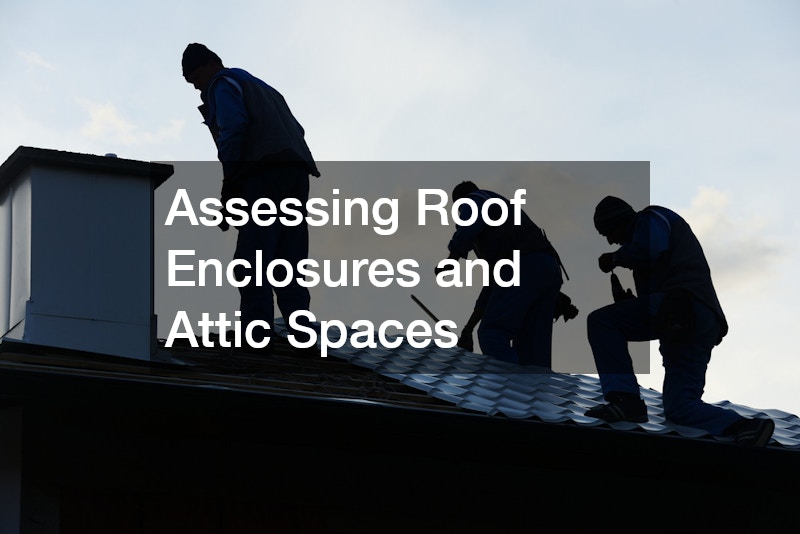
The roof system is arguably the single most important protective barrier on any residential structure. Inspectors evaluate roofing materials from ground level, via extension ladders, or through high-resolution aerial drone photography. They examine shingle adhesion, look for missing granules, check metal flashing around chimneys and skylights, and inspect plumbing vent boots for weather cracking. When widespread shingle deterioration or active roof leaks are identified, bringing in an experienced roof contractor provides an accurate assessment of the remaining service life, the condition of the structural decking, and the comprehensive replacement costs.
Attic spaces directly beneath the roof structure offer essential clues regarding overall roof health, thermal performance, and ventilation efficiency. Poor attic ventilation traps extreme heat and humidity, which accelerates shingle decay and causes roof sheathing to warp over time. An inspector entering the attic will check for water staining on roof rafters, inspect insulation depth, and verify that soffit and ridge vents remain unobstructed. Proper attic airflow preserves structural timbers and reduces summer cooling loads across the entire home.
Analyzing Plumbing Systems and Drain Lines
Plumbing systems function continuously out of sight inside walls, beneath subfloors, and under concrete slabs, making thorough evaluation vital for preventing major water disasters. Inspectors test water pressure, check supply lines for active corrosion, evaluate water heater discharge valves, and monitor drain speed across all fixtures. When low water pressure, gurgling drains, or slow drainage appear in the report, hiring a licensed plumber to perform a video camera scope of the main sewer line can expose hidden root intrusion, cracked clay pipes, or collapsed cast iron lines beneath the yard or foundation.
Addressing plumbing deficiencies prior to closing prevents unexpected indoor flooding, contaminated backup incidents, and costly subfloor structural damage. Corrosion on supply valves, outdated galvanized piping, or unvented drain traps can cause ongoing pressure problems and leak risks for new homeowners. Securing an itemized repair estimate for plumbing repairs ensures buyers have verified cost figures when negotiating price concessions or repair credits with the seller.
Evaluating HVAC Performance and Energy Efficiency
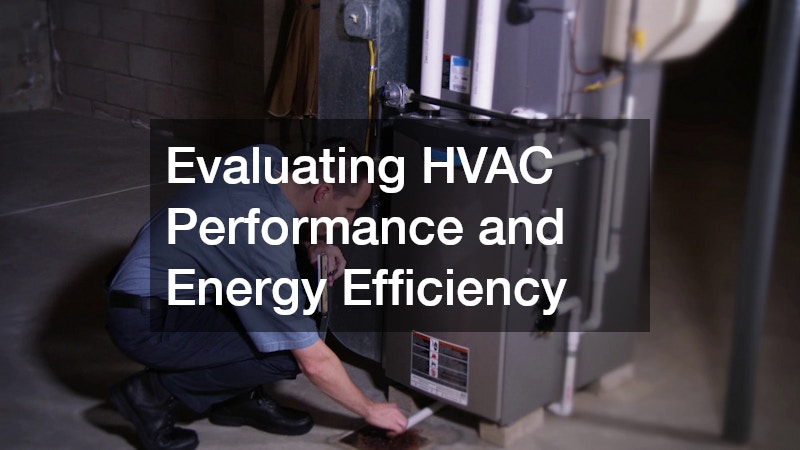
A home’s heating, ventilation, and air conditioning equipment represents one of the largest mechanical investments on the property. Inspectors evaluate the age, functional performance, air filter condition, and general maintenance history of furnaces, air conditioners, heat pumps, and ductwork. They measure temperature differentials between supply and return vents to verify that heating and cooling equipment operate within expected manufacturer specifications.
Beyond basic mechanical operation, overall thermal efficiency plays a massive role in monthly utility expenses, indoor air quality, and daily living comfort. Drafty exterior doors, unsealed ductwork, and thin attic insulation allow expensive conditioned air to escape rapidly from the living space. Partnering with professional energy services allows buyers to conduct specialized blower door testing and infrared thermal imaging, identifying exact air leakage zones and calculating long-term cost savings from insulation and duct sealing upgrades.
Managing Moisture Hazards and Fungal Growth
Excessive indoor moisture in basements, crawlspaces, and bathrooms creates an ideal environment for biological growth and indoor air contamination. Home inspectors routinely measure moisture content in timber framing and concrete floor slabs using electronic pinless moisture meters. If high moisture levels, standing water, or visible organic growth are discovered in unventilated subfloor areas, swift professional action is necessary to safeguard indoor air quality and prevent structural decay.
Addressing environmental moisture hazards requires specialized expertise to eliminate underlying water sources rather than merely applying cosmetic surface covers. Engaging a certified mold remediation specialist ensures that affected area containment protocols are established, contaminated drywall or insulation is safely removed under negative air pressure, and high-capacity dehumidification equipment is deployed. Resolving moisture issues protects family health and prevents recurring fungal growth beneath floor coverings.
Identifying Wood-Destroying Organisms and Pest Activity

Biological threats to a home extend beyond fungal growth to include insects that quietly consume structural timber over time. Subterranean termites, carpenter ants, and wood-boring beetles can hollow out floor joists, sill plates, wall studs, and roof rafters without displaying obvious exterior warnings. A standard home inspection report will flag shelter tubes, exit holes, frass, or hollow-sounding timber, indicating the urgent need for a specialized pest evaluation.
Ordering a dedicated pest control inspection provides buyers with a thorough assessment of active insect activity, structural timber damage, and historical treatment records. Pest specialists inspect concealed crawlspace corners, treat active colonies using targeted soil barrier applications, and issue official clearance documentation. Obtaining a clean pest clearance report is frequently a mandatory requirement for mortgage lenders before loan funding can occur.
Upgrading Interior Finishes and Bathroom Fixtures
Interior living surfaces endure continuous wear from daily foot traffic, furniture movement, and accidental spills, and inspection reports often highlight surface wear that requires attention. Water-damaged subflooring near patio doors, squeaking floorboards, or uneven floor levels signal underlying moisture or subfloor movement. Visiting a local flooring store allows buyers to explore durable replacement options, such as waterproof luxury vinyl plank or solid hardwood, while calculating exact material and subfloor repair costs prior to closing.
Wet environments like master bathrooms and guest baths demand rigorous inspection due to their vulnerability to concealed water leaks around showers and tubs. Cracked gel coats, leaking drain flanges, or compromised tile grout can cause extensive subfloor rot and wall framing decay over time. Budgeting for modern bathtub replacements ensures that worn fixtures are replaced, surrounding wall barriers are properly waterproofed, and supply lines meet modern building codes before moving in.
Gathering Contractor Bids and Written Repair Estimates
Once inspection findings are categorized into priority levels, gathering written trade estimates becomes the primary objective during contingency periods. Relying on casual online estimates or speculative guesses during contract negotiations weakens a buyer’s bargaining position. Reaching out to licensed home builders for major structural repairs or securing itemized proposals from a certified roof contractor provides undeniable financial documentation during formal purchase negotiations.
Itemized contractor proposals serve two vital functions during transaction negotiations: they establish actual local labor and material expenses while offering objective proof of necessary repair investments. Sellers are significantly more receptive to price adjustments or closing cost credits when presented with official contractor estimates rather than arbitrary buyer demands. Having written professional quotes keeps discussions constructive, professional, and firmly grounded in market realities.
Strategic Negotiation Tactics for Buyer and Seller Agreements
Armed with detailed contractor estimates, buyers must select the most effective negotiation strategy for their unique transaction. In most real estate deals, requesting a financial seller credit at closing or a direct reduction in the purchase price is far preferable to asking the seller to manage repairs prior to closing. Sellers may be tempted to choose the lowest-cost contractor, rush the repair process, or use lower-grade materials to meet tight closing deadlines.
For instance, if main sewer line repairs require an experienced plumber or a damp crawlspace requires professional mold remediation, securing a financial credit allows buyers to select their own preferred contractors after closing. This strategy ensures that repair work meets high quality standards, work warranties are issued directly in the buyer’s name, and closing schedules remain on track without unnecessary friction between parties.
Reaching a Successful Closing and Moving Forward
A detailed home inspection report should be viewed not as a deal-breaker, but as an indispensable roadmap for intelligent, long-term property ownership. By systematically organizing inspection findings, consulting experienced trade specialists, and negotiating with clear financial data, both buyers and sellers can navigate repair contingencies smoothly and reach a mutually beneficial agreement.
Clear communication, realistic repair expectations, and professional trade guidance turn a complex inspection report into an actionable home maintenance plan. Whether purchasing a historic property filled with character or a contemporary suburban house, taking a structured approach to inspection repairs ensures structural safety, financial protection, and lasting confidence for many years to come.