
A tired-looking exterior can make even a well-maintained home feel neglected, but boosting your curb appeal does not require a five-figure renovation budget. With five hundred dollars and a little strategy, you can tackle the fixes and refreshes that buyers and neighbors actually notice first. This guide breaks down where to spend your money, what you can safely do yourself, and when it makes sense to call in a professional. The goal is a home that looks cared for, inviting, and well-built from the moment someone pulls into the driveway.
Refresh Your Entryway and Front Door
Your front door is the focal point of your home’s facade, and a fresh coat of paint in a bold, complementary color can transform the entire entrance for under fifty dollars. Swapping out dated hardware, house numbers, and a light fixture adds a polished, updated look without major cost. Adding a new welcome mat and a pair of potted plants on either side of the door creates symmetry and warmth that photographs well and greets guests naturally.
- Choose exterior-grade paint rated for your climate to avoid peeling
- Update house numbers to a modern font visible from the street
- Install a dimmable porch light for evening curb appeal
- Add a seasonal wreath or simple greenery for a finished look
Clean and Repair Your Gutters
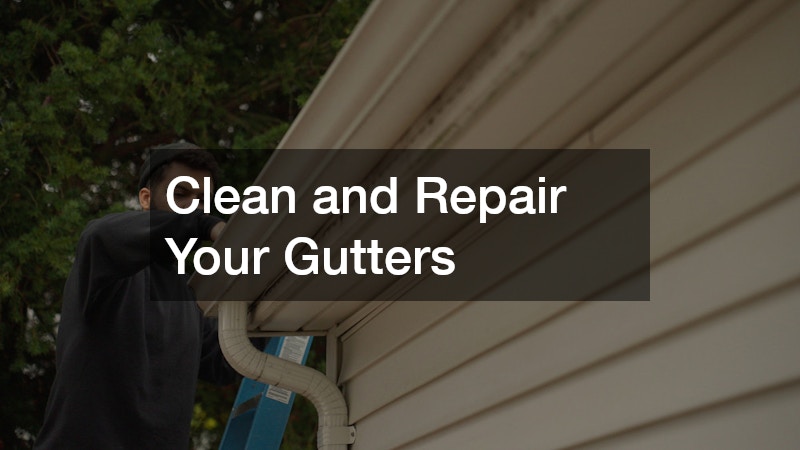
Gutters that sag, overflow, or are stuffed with leaves are one of the fastest ways to make a home look unkempt, even if everything else is in great shape. Hiring a gutter cleaning company once or twice a year is a modest expense that prevents staining on your siding and keeps water flowing away from your foundation. Clean gutters also make your roofline look crisp and well-maintained, which matters more than most homeowners realize when it comes to first impressions.
Beyond appearance, clogged gutters can cause water to back up under shingles or spill down exterior walls, leading to streaking that is difficult to remove. A quick seasonal cleaning, paired with a visual check for loose brackets or small leaks, keeps this system working quietly in the background. This is one of the most affordable maintenance tasks you can budget for within your five hundred dollars.
Address Minor Roof and Trim Issues
You do not need a full roof replacement to improve curb appeal, but missing shingles, rusted flashing, or peeling trim paint are highly visible from the street. Many roofers offer small repair visits for a flat fee, and fixing a handful of damaged shingles or resealing a vent boot can make your roofline look years younger. Addressing these small issues early also prevents costly water damage down the road, which protects the investment you are making in the rest of your exterior.
While you have a professional on-site, it is worth asking them to check flashing around chimneys and skylights, since these areas are common trouble spots. A tidy, well-maintained roof signals to anyone walking or driving by that the home has been cared for consistently, not just cosmetically touched up.
Trim Overgrown Trees and Shrubs

Overgrown branches hanging over your roof or blocking windows can make even a beautifully landscaped yard look neglected. Scheduling tree trimming once a year keeps your yard looking intentional and prevents branches from scratching siding or dropping debris into gutters. Well-shaped trees also let more natural light reach your lawn and garden beds, which helps grass and flowers thrive closer to the house.
- Trim branches at least three feet away from the roofline
- Remove dead or split limbs before storm season
- Shape shrubs into clean lines along walkways
- Clear vegetation blocking house numbers or entry lights
Refresh Your Lawn and Garden Beds
A patchy lawn or weedy garden bed draws the eye immediately, often more than the condition of the house itself. Spending a portion of your budget on grass seed, mulch, and border edging can dramatically sharpen the look of your yard within a few weeks. Fresh mulch in particular gives garden beds a clean, finished appearance and helps retain moisture for plants during warmer months.
Consider grouping a few inexpensive perennials near the entry path or mailbox for a pop of color that returns year after year. Keeping edges crisp along the driveway and sidewalk is a small detail that makes the entire property look more deliberate and tended.
Handle Small Plumbing and Water Issues Promptly
Exterior curb appeal is closely tied to how well your home’s systems are functioning, and water problems tend to show up outside long before you notice them inside. Watch for telltale signs like soggy patches of lawn, water pooling near the foundation, mineral staining on siding, or a musty smell near outdoor spigots — these are early warnings that something below the surface needs attention. A slow-draining outdoor spigot or a sewer line issue often calls for professional drain cleaning to prevent backups that can flood a yard or basement and quickly undo any landscaping work. Tree roots infiltrating older clay pipes are a common culprit, and a routine drain cleaning every year or two, typically costing $100 to $300, can clear buildup before it becomes a full clog. Catching these issues in fall or early spring, before heavy rains, gives you a head start on the wettest months. If you have ever dealt with unexpected flooding, you already know that water restoration companies can be costly, often running into the thousands of dollars once drywall, flooring, and mold remediation are factored in. Compare that to the price of a $20 hose bib replacement or a $150 spigot repair, and the math on prompt maintenance becomes obvious. Spending an afternoon checking exterior faucets, downspouts, and grading around your home is a small investment that protects both your landscaping and your budget.
Keeping an eye on soil that stays unusually wet near the foundation, or grass that grows in oddly lush patches, can be an early warning sign worth investigating. These clues often point to a leaking supply line, a cracked sewer pipe, or gutters dumping water in the wrong spot, and catching them early can save you from a much costlier repair down the road. Other signs worth watching for include a water meter that keeps ticking when every faucet is off, musty odors near crawl spaces, or small cracks forming along the foundation. Even a slow drip from an outdoor spigot can waste thousands of gallons a year and quietly erode the soil beneath your walkway or porch steps. Simple fixes like replacing a worn hose bib washer, resealing a cracked spigot, or extending a downspout a few extra feet away from the house often cost under fifty dollars and take less than an hour. For anything more involved, a plumber’s inspection typically runs $100 to $200, which is a small price compared to repairing water-damaged siding, walkways, or a compromised foundation. A small investment now in checking your drainage system protects both your curb appeal and your home’s structural health.
Maintain Your Outdoor Living and Comfort Features

If your property includes one of the many lanai enclosures homeowners add for extra outdoor living space, keeping the screens clean and free of tears is an easy way to maintain a polished look from both the yard and the street. A soft brush, mild soap, and a garden hose are usually enough to clear away pollen, cobwebs, and grime without damaging the mesh. While you’re at it, check the frame’s corners and tracks for small tears or gaps, since a patch kit costing under twenty dollars can fix minor damage before it spreads into a costly full-panel replacement. A torn screen or grimy frame can make an otherwise attractive outdoor space look forgotten, while a quick cleaning restores its inviting feel. Sliding doors and hinges also benefit from a light lubrication every few months, which keeps the enclosure functioning smoothly and prevents rust stains from forming on the frame. Similarly, if you have a hot tub on your patio, scheduling hot tub repair for a sticking cover, noisy pump, or slow-draining jet keeps the feature looking and functioning like an asset rather than an eyesore. Many of these fixes, such as replacing a worn cover seal or cleaning out a clogged filter, cost far less than a full system overhaul when addressed early. Wiping down the exterior cabinet and checking for cracks or fading also goes a long way toward keeping the whole outdoor living area looking cohesive and well cared for.
- Wipe down enclosure frames every few weeks with mild soap and water to prevent corrosion buildup, paying extra attention to hinges and tracks
- Replace torn screening panels promptly—a basic patch kit costs under $15, while full re-screening runs $50-$150 depending on size
- Keep hot tub covers closed and secured when not in use to block debris and cut heating costs by reducing heat loss
- Check cover seals and straps monthly, replacing worn ones (around $30-$60) before they let moisture damage the foam core
- Address strange noises or leaks before they worsen, since a small pump issue caught early is far cheaper than a full motor replacement
- Inspect gazebo or pergola hardware seasonally, tightening bolts and treating wood to prevent rot or rust from spreading
Plan Ahead for Larger Backyard Investments
A five hundred dollar budget will not cover major construction, but it is the perfect time to start researching bigger projects for down the road. If a pool, patio, or outdoor kitchen is on your someday list, reach out to a custom pool builder or landscape designer now to discuss possibilities and rough costs. Many offer free initial consultations, and getting two or three quotes gives you a realistic price range instead of a guess pulled from a website. Use this research phase to ask practical questions: What permits will you need, how long does installation typically take, and are there seasonal discounts for booking during slower months? Understanding these details now means fewer surprises later and gives you a clearer sense of how to save or finance the project over time. This kind of forward planning also helps you avoid wasted money today. For example, if you know a pool is likely in two years, you would not want to invest heavily in landscaping or hardscaping in that exact area now, only to tear it out later. Instead, focus your five hundred dollars on improvements like the front yard, entryway, or lighting that will still complement your backyard vision once the bigger project becomes a reality.
Curb appeal doesn’t stop at your front door — it should flow naturally into the spaces just beyond it. If your home’s flooring needs attention, especially in areas like mudrooms, sunrooms, or entryways that bridge indoor and outdoor living, it’s worth getting ahead of the project now. Reaching out to lvp flooring companies for an estimate lets you compare pricing, material options, and installation timelines before you’re forced into a rushed decision. Luxury vinyl plank is worth considering here because it holds up well against moisture, foot traffic, and temperature shifts near entry points, all while mimicking the look of hardwood or stone at a fraction of the cost. Getting a few quotes now, even if you’re not ready to install right away, gives you a realistic budget number to work toward and helps you time the project around other backyard investments like patios, walkways, or landscaping. Thinking holistically about your home, inside and out, makes every dollar you spend now feel more purposeful. A cohesive plan also prevents mismatched materials or clashing color palettes down the line, saving you from costly redos once the bigger renovations are underway.
Keep Major Home Systems in Good Working Order

Curb appeal is not just about what visitors see, it is also about the confidence that your home is well cared for from the inside out. Scheduling routine furnace repairs before winter ensures your home stays comfortable and efficient, which matters if you are hosting guests or planning to sell. A well-maintained home tends to show fewer visible signs of neglect overall, since homeowners who stay on top of indoor systems are usually just as attentive to their exteriors.
Keeping a simple maintenance calendar for both indoor and outdoor systems can help you spread costs throughout the year rather than facing them all at once. This approach keeps your five hundred dollar curb appeal budget focused purely on visible improvements rather than emergency repairs.
Transforming your home’s curb appeal on a tight budget comes down to prioritizing the fixes that are most visible and addressing small problems before they become expensive ones. Start with the entryway, lawn, and gutters, then work outward to trees, roofing, and outdoor living features as your budget allows. With a clear plan and a little research into trusted local professionals, you can make meaningful, lasting improvements without overspending. Your next step is simple: walk around your property today, make a list of what needs attention, and tackle it one manageable project at a time.