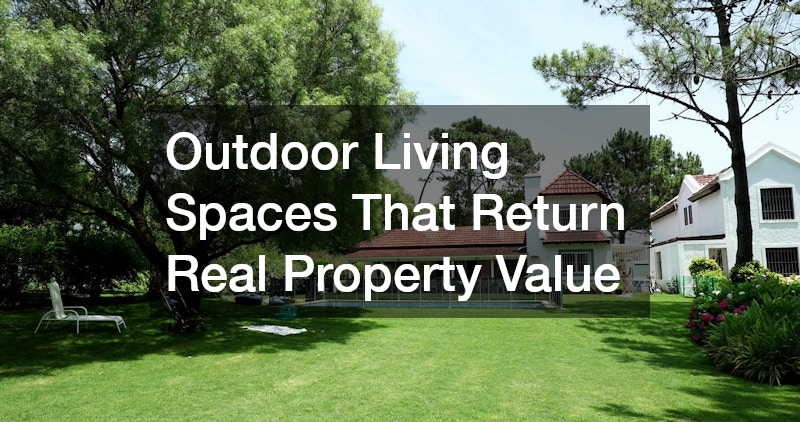

Homeowners pouring money into their backyards want to know one thing: will this investment actually pay off when it’s time to sell? Not every outdoor project delivers the same return, and some popular upgrades add more lifestyle enjoyment than resale value. This guide breaks down which outdoor living investments genuinely move the needle on appraisals and buyer interest, and which ones simply cost money without boosting your bottom line. Understanding the difference before you break ground can save thousands of dollars and prevent regret.
Patios and Outdoor Living Areas Built to Last
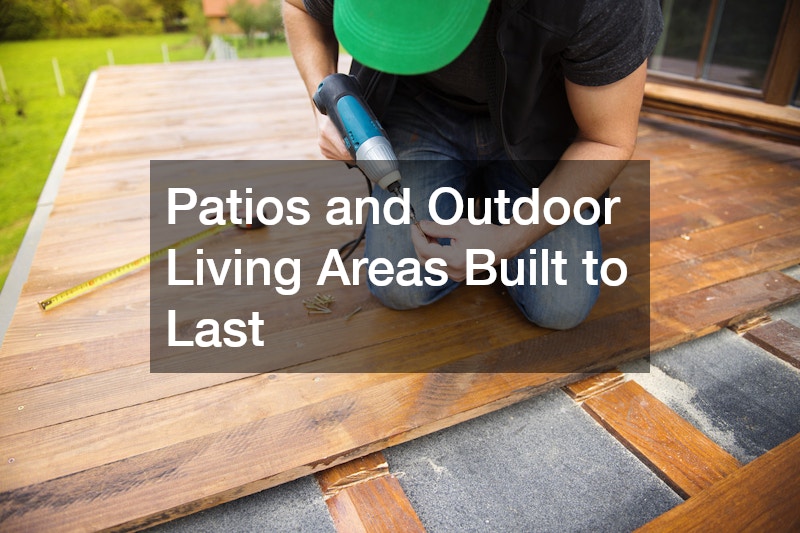 A well-executed patio installation is one of the most reliable ways to add usable square footage to a home without the cost of a full addition. Buyers consistently respond to outdoor spaces that feel like an extension of the indoor living area, especially when the materials are durable and low maintenance. Concrete pavers, natural stone, and stamped concrete all offer different price points and aesthetics, but the common thread among high-return projects is quality installation that prevents cracking, pooling water, or uneven settling.
Appraisers and real estate agents often note that a functional patio ranks higher with buyers than a pool, since it requires less upkeep and appeals to a broader range of household types. The return on investment tends to be strongest when the patio connects logically to the home, such as extending from a kitchen or family room, rather than sitting disconnected in the middle of a yard.
- Choose materials rated for your climate to avoid frost heave or excessive fading
- Keep the patio proportional to the lot size so it doesn’t overwhelm the yard
- Add a defined edge or border to give the space a finished, intentional look
- Consider drainage slope during planning to prevent water damage to the foundation
Hardscape Features That Define the Landscape
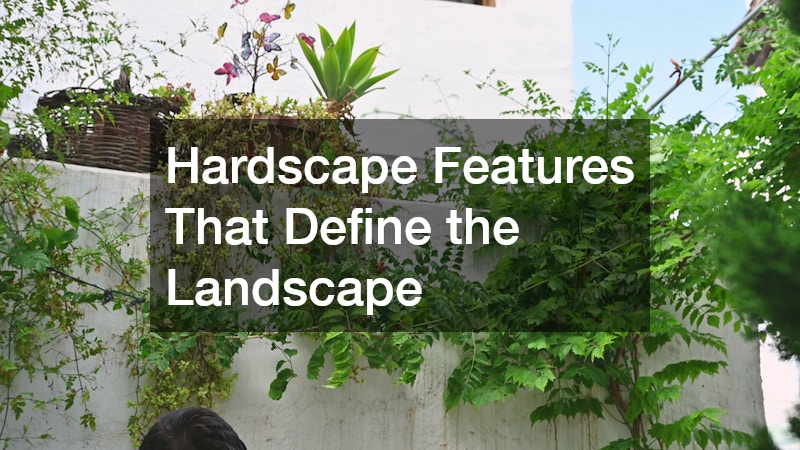
Hardscaping refers to the non-living elements of a yard, such as retaining walls, walkways, fire pits, and seating walls, and it plays a major role in how polished a property feels. These features create structure and flow, turning a flat, uninspired yard into something that looks designed rather than accidental. Because hardscaping is permanent and visible year-round, it tends to influence a buyer’s first impression more than seasonal plantings do.
The key to getting real value from hardscaping is restraint and cohesion. A yard with too many competing materials, such as brick, flagstone, and gravel all in one small space, can look cluttered rather than upscale. Sticking to two or three complementary materials throughout the property creates a cohesive look that appraisers and buyers read as intentional design rather than a patchwork of projects.
- Retaining walls can solve drainage issues while adding visual structure
- Fire pits and seating areas extend the usable season for outdoor spaces
- Pathways guide movement through the yard and highlight focal points
- Matching hardscape materials to the home’s exterior creates visual continuity
Landscaping Choices That Increase Curb Appeal
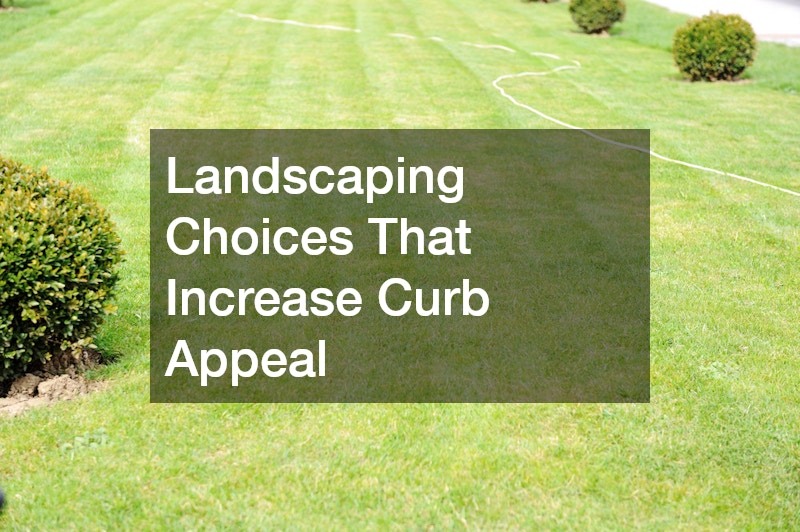
Professional landscape design is frequently cited by real estate professionals as one of the highest-return outdoor investments, sometimes recouping more than the initial cost at resale. Thoughtfully placed trees, shrubs, and perennial beds signal to buyers that the property has been cared for, which shapes their perception of the home’s overall condition before they even step inside. Mature trees in particular add measurable value, since buyers know they take years to establish.
The most effective landscaping plans balance immediate visual impact with long-term maintenance in mind. Overplanting a yard to make it look full on day one often backfires within a few years, as plants become crowded and require expensive removal or pruning. Working with a plan that accounts for mature plant size, seasonal color, and irrigation needs tends to hold its value far better than a design chosen purely for instant curb appeal.
- Native plants typically require less water and maintenance over time
- Layered plantings of trees, shrubs, and groundcover create depth
- Seasonal color rotations keep the property looking maintained year-round
- Proper spacing prevents overgrowth and future removal costs
Roofing Condition and Its Effect on Outdoor Value
It might seem unrelated to backyard upgrades, but roofing replacement has a direct bearing on how much value any outdoor living project ultimately returns. A home with an aging or damaged roof will struggle to command a premium for its landscaping or patio, since buyers and appraisers weigh the property as a whole rather than judging the yard in isolation. Deferred roof maintenance can also signal to buyers that other systems, including outdoor structures, may have been neglected too.
Homeowners planning a significant outdoor renovation often benefit from addressing the roof first, particularly if it’s within five years of the end of its expected lifespan. This sequencing protects the investment in outdoor upgrades by ensuring the home’s overall condition supports the higher asking price those improvements are meant to justify.
- A roof nearing the end of its life can reduce buyer confidence in the whole property
- Replacing the roof before major landscaping avoids overshadowing new outdoor work
- Updated roofing materials can complement exterior design choices in the yard
Storage Solutions for Tools and Outdoor Equipment
As outdoor living spaces expand, so does the need for a place to store furniture cushions, grills, gardening tools, and seasonal decor. A cluttered patio or yard filled with visible equipment undercuts the polished look that buyers respond to, which is why built-in storage benches, sheds, or garage reorganization are worth factoring into a project budget. For homeowners without room to expand storage on-site, some temporarily turn to public storage during a renovation to keep the yard clear and functional while work is underway.
Beyond the renovation phase, permanent storage solutions add practical value that buyers notice during showings. A tidy, organized outdoor space suggests the property has been well maintained, while visible clutter can make even a beautifully landscaped yard feel unfinished.
- Built-in benches with hidden storage keep cushions and tools out of sight
- Small sheds should match the home’s exterior style rather than looking like an afterthought
- Vertical storage solutions save space in smaller yards
HVAC Considerations for Outdoor Kitchens and Living Rooms
Homeowners building out fully enclosed or semi-enclosed outdoor living rooms, sunrooms, or four-season porches need to think beyond furniture and finishes. Extending comfort control to these spaces often requires HVAC installation work, since ductless mini-split systems or extended ductwork can make the difference between a room used three months a year and one used nine. Buyers evaluating these spaces will ask whether they’re truly livable in shoulder seasons, and climate control is often the deciding factor.
This upgrade tends to pay off best in regions with significant temperature swings, where an unconditioned outdoor room sits empty for half the year. A licensed contractor can help determine whether a small ductless unit is sufficient or whether the space needs to be tied into the home’s existing system for consistent performance.
- Ductless mini-splits are often the most cost-effective option for detached or semi-enclosed spaces
- Proper insulation should be addressed before adding climate control equipment
- Extending existing ductwork works best when the outdoor room shares a wall with conditioned space
Kitchen Connections Between Indoor and Outdoor Spaces
Outdoor kitchens have grown in popularity, but their return on investment often depends on how well they connect to the indoor kitchen’s design and function. Homeowners working with kitchen design services frequently discover that mirroring finishes, such as matching countertop material or cabinet color between indoor and outdoor kitchens, creates a cohesive look that buyers perceive as higher-end. A disconnected, mismatched outdoor kitchen can look like an add-on rather than a planned feature.
Functionality matters just as much as appearance. Outdoor kitchens that only include a basic grill tend to add less value than those with adequate counter space, storage, and a sink, since these features make the space genuinely usable for meal prep rather than just cooking. Buyers touring a home are quick to notice whether an outdoor kitchen looks like a real workspace or simply a grill station with a stone facade.
- Adequate counter space allows food prep without constant trips inside
- Weatherproof cabinetry and materials prevent warping and rust over time
- Matching design elements to the indoor kitchen creates a unified feel across the home
Bathroom and Shower Additions in Pool Houses
Homes with pools, guest houses, or cabana-style structures increasingly include a shower or half-bath to reduce foot traffic in and out of the main house. When done well, this addition can meaningfully increase a property’s appeal to families and frequent entertainers. Hiring an experienced shower tile contractor for this kind of build ensures proper waterproofing and slope, which matters even more outdoors where structures are exposed to the elements year-round.
Outdoor or pool house bathrooms face harsher conditions than interior ones, including humidity, temperature swings, and heavier use during summer months. Materials and installation techniques that would be fine indoors can fail faster outside, so it’s worth prioritizing proper substrate preparation and drainage over purely cosmetic tile choices.
- Proper waterproofing membranes prevent moisture damage behind tile
- Slip-resistant tile is safer for wet feet coming from a pool or hot tub
- Adequate drainage slope prevents standing water and mildew buildup
Underground Systems That Affect Outdoor Renovations
Before breaking ground on any major outdoor project, it’s worth understanding what’s happening beneath the yard, since underground issues can derail a renovation budget quickly. Utility lines, septic fields, irrigation systems, and aging pipes often sit just a foot or two below the surface, right where homeowners plan to dig for footings or trenches. Sewer line repair is one of the most common surprises homeowners face when digging for a new patio, pool, or extensive landscaping bed, particularly in older homes where clay or cast iron pipes may have shifted, cracked, or been infiltrated by tree roots over time. Repairing or rerouting a damaged line mid-project can add several thousand dollars to a budget and delay work by weeks, especially if the line runs directly under the planned structure. A camera inspection before major excavation can prevent costly mid-project discoveries. These inspections typically cost a few hundred dollars but reveal pipe material, joint condition, and any blockages or collapses that would otherwise stay hidden until equipment hits them. It’s also worth calling in a local utility locating service before digging, since gas, electrical, and water lines aren’t always mapped exactly where records suggest. Many municipalities offer this service free of charge, and skipping it can turn a simple landscaping day into an expensive, dangerous mistake.
Foundation and moisture issues can also originate below ground level, which is why some homeowners bring in a crawlspace company as part of a broader outdoor renovation, especially if grading changes are planned nearby. A crawlspace company can assess existing vapor barriers, insulation, and ventilation before patios, retaining walls, or new plantings are installed above or around that space, since digging and compacting soil during a renovation can compress the ground in ways that affect drainage under the house. Altering drainage patterns in the yard without accounting for how water moves toward the foundation can create new moisture problems even as it solves old ones. A general rule of thumb is that finished grade should slope away from the house at roughly six inches over the first ten feet, but adding a patio, fire pit, or raised bed can disrupt that slope if it’s not planned carefully. Homeowners should also consider how downspout extensions, French drains, and dry wells interact with new hardscaping, since redirecting water toward one corner of the yard can overwhelm soil that wasn’t graded to handle it. A short conversation with a drainage specialist or crawlspace company before breaking ground often costs far less than repairing a wet crawlspace or a cracked patio slab after the fact.
- A camera inspection (typically $200-$500) can reveal pipe condition, cracks, and blockages before digging begins, saving costly surprises mid-project
- Tree roots are a common cause of sewer line damage in mature landscapes, especially with willows, maples, and oaks planted near old clay or cast-iron pipes
- Regrading a yard should always account for water flow toward the foundation, aiming for a slope of at least 6 inches over the first 10 feet away from the house
- Addressing crawlspace moisture early prevents mold and structural issues later, since prolonged dampness can rot floor joists and attract termites
- Locating utility lines through a 811 call-before-you-dig request is essential before installing patios, pergolas, or in-ground features
- Older homes may have outdated septic or drainage systems that aren’t mapped on any survey, making professional locating services worth the investment
The outdoor projects that return the most value share a common thread: they’re built with quality materials, proper planning, and attention to how the space connects to the rest of the home. Before starting any project, homeowners should get multiple quotes, verify contractor licensing, and prioritize the improvements that address both function and appearance. Taking a whole-property view, rather than treating the yard as separate from the house, is the surest way to make an outdoor investment that pays off at resale.