

A small drip, a faint hiss, or a musty smell rarely feels urgent, but these tiny warning signs are often the first chapter of a very expensive story. Homeowners tend to budget for the obvious stuff, like paint touch ups or a new appliance, while the systems working quietly behind walls and under yards get ignored until they fail catastrophically. The truth is that neglect has a compounding effect: a fifty dollar fix today can easily become a fifteen thousand dollar disaster in three years. This article breaks down which home systems carry the highest financial risk when preventive care is skipped, and what proactive steps actually save you money.

Plumbing Lines and Sewer Backups
Plumbing is one of the most punishing systems to neglect because water damage compounds by the hour, not the year. A slow clog that seems like a minor inconvenience can quickly turn into a backed up sewer line that floods a basement while you are at work. The cost difference between routine maintenance and emergency response is staggering, since a clogged line caught early is a simple fix, while a burst pipe under a slab can mean cutting through concrete.
Regular drain cleaning is one of the cheapest insurance policies a homeowner can buy, especially for older homes with cast iron or clay piping. Professional drain cleaning clears grease, roots, and mineral buildup before they create full blockages, and it also gives a technician a chance to spot corrosion or bellied pipes before they fail. Skipping this simple maintenance step is consistently one of the most expensive mistakes homeowners make.
- Have main sewer lines inspected every one to two years, especially in homes over 30 years old
- Avoid pouring grease or coffee grounds down kitchen drains
- Install hair catchers in showers and tubs to reduce buildup
- Watch for slow drains in multiple fixtures at once, a sign the main line is affected
- Schedule professional cleaning before problems escalate to a full backup
Roof Coverings and Attic Ventilation
Roofs fail slowly and then all at once. A few missing shingles or a small flashing gap might not cause a visible leak for months, but that entire time water is seeping into decking and insulation, quietly rotting the structure underneath. By the time a stain appears on the ceiling, the damage is usually far more extensive than it looks from below.
An annual inspection from a qualified roofer costs a fraction of what a full roof replacement runs, and catching a small issue early can add years to a roof’s lifespan. A roofer can also check attic ventilation, which affects how long shingles last and whether ice dams form in colder climates. Ignoring ventilation problems often shortens roof life by a decade or more, turning a preventable expense into a premature full replacement.
- Schedule roof inspections after major storms and once annually otherwise
- Check attic insulation and airflow to prevent moisture buildup
- Replace cracked or curling shingles promptly rather than waiting
- Clean gutters regularly so water does not pool against the roofline
- Address flashing around chimneys and vents at the first sign of gaps
Foundation Cracks and Water Intrusion
Foundations rarely fail overnight, but small hairline cracks are early warnings that most homeowners dismiss as cosmetic. Water finds its way into these cracks over time, freezing and expanding in colder months or simply eroding the concrete until the crack widens into a structural issue. Left unaddressed, this can lead to bowing walls, uneven floors, and repair bills that stretch into tens of thousands of dollars.
Grading your yard so water flows away from the foundation is one of the simplest and most effective preventive measures available, yet it is frequently overlooked. Extending downspouts, sealing visible cracks, and monitoring basement humidity all help catch problems while they are still manageable. When flooding does occur despite these precautions, prompt water damage restoration is critical to prevent mold growth and further structural weakening.
- Inspect foundation walls twice a year for new or widening cracks
- Ensure downspouts direct water at least six feet from the foundation
- Keep gutters clear so overflow does not pool near the base of the house
- Monitor basement humidity levels and use a dehumidifier if needed
- Address any standing water quickly to avoid long term structural harm

HVAC Systems and Seasonal Tune Ups
Heating and cooling systems are expensive to replace and surprisingly easy to extend if given basic seasonal attention. A neglected furnace or air conditioner works harder than necessary, straining components that eventually fail all at once rather than gradually. That failure tends to happen during the most extreme weather, which is also when replacement costs and demand for repairs are at their highest.
Simple habits like changing filters monthly and scheduling a professional tune up each spring and fall can add years to a system’s working life. Dirty coils, clogged filters, and low refrigerant all force the system to run longer cycles, driving up energy bills while accelerating wear. Homeowners who skip these basics often find themselves facing a full system replacement five to seven years earlier than necessary.
- Change HVAC filters every one to three months depending on usage
- Schedule professional tune ups before peak heating and cooling seasons
- Keep outdoor condenser units free of debris and overgrown vegetation
- Seal ductwork leaks to improve efficiency and reduce strain
- Replace aging thermostats with programmable models to reduce cycling
Irrigation Systems and Landscape Watering
An irrigation system left unchecked can waste enormous amounts of water while simultaneously damaging your lawn, foundation, and even your home’s siding. A single cracked head or misaligned valve can flood a section of yard for weeks before anyone notices, driving up water bills and creating standing water near the house. Freezing temperatures are particularly hard on these systems, since trapped water in lines can crack pipes and valves underground.
Scheduling sprinkler repair at the start of each growing season catches winter damage before it turns into a summer’s worth of wasted water and yard damage. A quick system check can identify broken heads, leaks in the backflow preventer, or zones that are no longer functioning correctly. This kind of seasonal maintenance is inexpensive compared to repairing water damaged landscaping or foundation issues caused by chronic overwatering.
- Run each zone manually each spring to check for broken or clogged heads
- Inspect backflow preventers for leaks or cracks after winter
- Adjust sprinkler timers seasonally to match rainfall and temperature
- Look for soggy patches in the yard that indicate a hidden leak
- Winterize the system before the first hard freeze to avoid line damage
Exterior Siding and Protective Coatings
The paint and coatings on your home’s exterior do more than keep it looking sharp, they form a critical barrier against moisture, UV damage, and pests. Once that barrier starts to fail, wood siding can rot, metal can rust, and stucco can crack, allowing water to seep into the structure behind it. What looks like a purely cosmetic issue is often the first sign of a much larger and more expensive problem developing underneath. Warning signs are easy to miss until they’ve been active for months or years: chalky residue on stucco, bubbling or peeling paint, small cracks at seams and corners, or a slightly soft feel when you press on wood trim. Discoloration near the roofline or foundation often signals that water is already tracking behind the siding rather than shedding off it.
By the time you can see daylight through a gap or find soft drywall on the interior side of a wall, the damage has typically spread well beyond the visible entry point. The cost escalation here follows a predictable pattern. Repainting or resealing siding on an average home might run $3,000 to $8,000, but ignoring failed coatings for several years can lead to rotted sheathing, damaged wall studs, and mold remediation that pushes repair bills into the $15,000 to $30,000 range.
In severe cases involving structural framing replacement or widespread mold behind stucco, homeowners have faced six-figure repairs. Climate and material choice both affect how fast this timeline plays out. Homes in coastal regions face accelerated corrosion and coating breakdown from salt air, while houses in freeze-thaw climates see faster cracking as trapped moisture expands and contracts. Fiber cement and vinyl siding tend to be more forgiving than wood or stucco, but even low-maintenance materials rely on properly sealed seams and flashing to keep water out.
A simple annual walk-around, checking caulking at windows and doors, looking for cracked or missing panels, and recoating exposed wood every few years, costs a few hundred dollars at most. Compared to the cost of tearing out and rebuilding damaged wall assemblies, that routine inspection is one of the cheapest insurance policies a homeowner can maintain.
Siding and its protective coating form the first line of defense against moisture intrusion, and once that barrier fails, water finds its way into sheathing, framing, and insulation where it can cause thousands of dollars in hidden damage. Hiring a reputable exterior painting company every five to ten years, depending on climate and siding material, keeps this protective layer intact and prevents costly structural repairs down the line. Homes in humid or coastal climates often need repainting closer to the five-year mark, while drier regions can sometimes stretch to eight or ten years before the coating starts to fail. A professional crew will also scrape and treat any early rot or pest damage before repainting, addressing small issues before they spread.
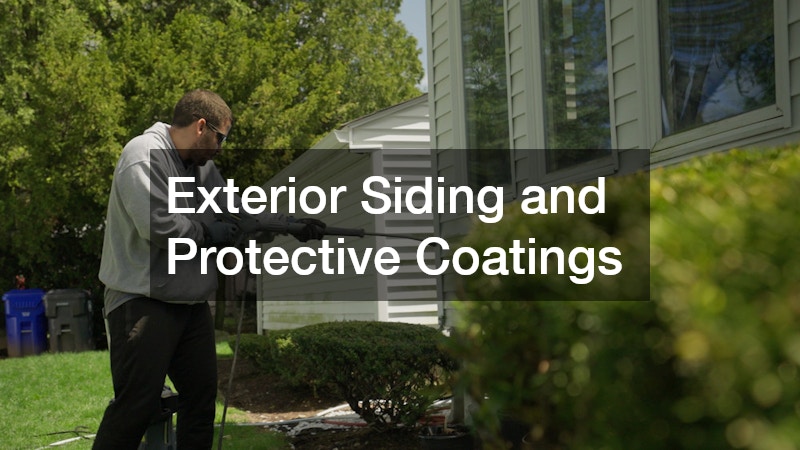
This prep work typically includes pressure washing, sanding away peeling paint, replacing damaged caulking around windows and trim, and spot-treating any wood that shows signs of soft spots or termite activity. Skipping these steps to save money is one of the most common reasons repaint jobs fail within just a few years. Homeowners who compare quotes from painting companies often find that quality prep work matters more than the paint brand itself when it comes to long term durability. A bid that seems unusually low may reflect a single coat and minimal surface preparation rather than genuine savings.
Asking contractors specifically how they handle caulking, priming bare wood, and moisture testing before painting can reveal which crews are cutting corners. Beyond paint alone, homeowners should keep an eye on flashing around windows, doors, and rooflines, since these are common entry points for water once caulking cracks or shrinks. Catching a failed seal early, often for the cost of a tube of caulk and an hour of labor, can prevent the kind of moisture damage that later requires replacing entire sections of siding or sheathing.
- Inspect exterior surfaces annually for peeling, cracking, or bubbling paint, paying close attention to south- and west-facing walls that take the most sun damage
- Recaulk around windows and doors every 3-5 years to block moisture, using a flexible exterior-grade sealant rated for temperature swings
- Address wood rot immediately rather than painting over damaged sections — a $50 board repair now prevents a $3,000+ sheathing replacement later
- Choose coatings rated for your specific climate and sun exposure, such as UV-resistant formulas for sunny regions or moisture-resistant coatings for humid areas
- Check siding seams and corners for gaps where pests or water can enter, especially after storms
- Budget for repainting before damage becomes visible from the street, typically every 7-10 years depending on siding material
- Keep gutters clean and properly angled so runoff doesn’t pool against siding and accelerate rot
Outdoor Pest Populations and Structural Wood
Pests are one of the most underestimated threats to a home’s long-term value, quietly causing damage that often is not covered by standard homeowners insurance. Most policies explicitly exclude termite and pest damage on the grounds that it’s considered preventable through routine maintenance, leaving homeowners to absorb the full repair cost themselves. That cost is rarely small: termite damage alone averages several thousand dollars per incident nationally, and severe infestations left unchecked for years can run well past $20,000 once structural framing needs replacement. Termites, carpenter ants, and rodents can compromise structural wood, wiring, and insulation long before any visible signs appear. Subterranean termites build mud tubes along foundations and can feed on floor joists and support beams for years while the surface drywall and paint look completely normal.
Rodents present a less obvious but equally costly risk, gnawing through electrical wiring inside walls in ways that both damage insulation and create fire hazards that insurance adjusters treat very differently once rodent activity is identified as the cause. The financial risk also scales with how long an infestation goes undetected. A small, caught-early termite colony might cost a few hundred dollars to treat, while a mature colony that has spread through sill plates and subflooring can force homeowners into partial foundation or framing reconstruction.

Annual pest inspections, moisture control around the foundation, and sealing gaps where utility lines enter the home are inexpensive habits that dramatically reduce this exposure. Mosquitoes and other biting insects add another layer of concern, turning outdoor living spaces into places people avoid using altogether. Beyond the comfort issue, standing water that attracts mosquitoes often signals drainage problems that can independently threaten a home’s foundation, making pest patterns worth watching as an early warning sign rather than just a nuisance.
Termites cause an estimated $5 billion in property damage annually in the U.S., and most homeowner insurance policies exclude this damage entirely, treating it as a preventable maintenance issue rather than a covered peril. Routine visits from pest control services help catch infestations while they are still localized, rather than after they have spread through wall cavities, floor joists, or attic framing. A trained inspector can spot mud tubes, discarded wings, or hollow-sounding wood well before a homeowner would notice any visible signs.
Carpenter ants and wood-boring beetles present similar risks, quietly tunneling through support beams and door frames for years before the damage becomes structurally significant. By the time sagging floors or crumbling trim appear, repair costs can run into the tens of thousands of dollars, especially if load-bearing elements need to be replaced. Quarterly or semi-annual inspections catch these problems at the localized stage, when treatment might cost a few hundred dollars instead. Many providers also offer mosquito control programs that reduce breeding grounds around standing water, gutters, and low-lying yard areas, making outdoor spaces more usable during warmer months.
Beyond comfort, this matters for health reasons too, since mosquitoes can carry West Nile virus and other diseases in many regions. Some programs pair mosquito treatments with tick control, adding another layer of protection for households with pets or children who spend time outdoors. The cost of ongoing prevention, typically a few hundred dollars per year, is minor compared to structural repairs needed after a termite colony has been active for several years undetected. Waiting for visible damage almost always means paying for both pest elimination and reconstruction, rather than one modest annual expense.
- Schedule termite inspections annually (twice yearly in humid or coastal climates), since a colony can consume structural wood for years before visible damage appears
- Keep firewood, mulch, and lumber stacks at least 20 feet from the foundation to discourage nesting close to the house
- Eliminate standing water in gutters, planters, and low spots in the yard, since even small puddles attract mosquitoes and wood-loving insects within days
- Seal small gaps around utility lines, vents, and pipe entries with steel wool or caulk, as rodents can squeeze through openings as small as a quarter-inch
- Trim tree branches and shrubs so they don’t touch siding or the roofline, since overhanging vegetation gives pests a direct bridge into the structure
- Watch for discarded wings, frass (termite droppings resembling sawdust), or hollow-sounding wood when tapped, as these are early warning signs worth acting on immediately
- Keep an eye on soil-to-wood contact points, like deck posts or porch steps, since direct contact invites subterranean termites and accelerates rot
Backyard Water Features and Equipment Maintenance
Hot tubs and spas bring a lot of enjoyment, but their mechanical components are surprisingly delicate when maintenance is ignored. Pumps, heaters, and filtration systems all work continuously to keep water balanced and clean, and neglecting water chemistry accelerates wear on every one of these parts. A poorly maintained unit can develop leaks, cracked shells, or motor failures that cost far more to fix than routine upkeep would have.
Testing water chemistry weekly and cleaning filters on a consistent schedule prevents the buildup of scale and biofilm that damages internal components over time. Owners who skip these basics often find themselves replacing heating elements or pumps years earlier than the equipment’s expected lifespan. A little consistency with maintenance keeps these features relaxing rather than turning them into a recurring source of expensive repair bills.
- Test and balance water chemistry at least once a week
- Clean or replace filters according to manufacturer recommendations
- Drain and refill the water every three to four months
- Inspect covers and seals for wear that lets in debris or moisture
- Address unusual noises or error codes from the equipment promptly
Structural Materials and Renovation Choices
The materials used during construction and renovation play a huge role in how expensive future maintenance will be. Cutting corners with lower grade building materials during a renovation might save money upfront, but it often leads to faster deterioration and more frequent repairs. Choosing higher quality materials for high moisture or high traffic areas is one of the most effective ways to reduce long term maintenance costs across a home.
Homeowners planning a renovation should ask contractors directly about the durability and warranty of proposed materials before work begins. Materials rated for exterior exposure or heavy moisture, such as treated lumber or fiber cement siding, tend to hold up significantly longer than budget alternatives. This upfront research prevents the kind of premature failure that leads to another full renovation cycle just a few years later.
- Ask about moisture resistance ratings for any materials used outdoors
- Compare warranty lengths across different product lines before choosing
- Avoid the cheapest option for structural or load bearing components
- Request samples to evaluate durability firsthand before committing
- Factor long term maintenance costs into upfront material decisions
The most expensive home repairs are rarely a surprise, they are the predictable result of small warning signs left unaddressed for too long. By building a simple seasonal maintenance routine and calling in professionals before problems escalate, homeowners can avoid the majority of these costly failures altogether. Start with the systems most relevant to your home’s age and climate, then build outward from there. A little consistency now is the difference between a minor repair bill and a major financial setback later.