

Home improvement projects do not have to involve expensive renovations or major construction to make a meaningful difference in your daily life. With thoughtful planning, homeowners can improve comfort, enhance functionality, reduce household expenses, and potentially increase property value while staying within a reasonable budget. The key is identifying which upgrades offer the greatest practical benefits and prioritizing projects that address existing problems before focusing on cosmetic changes.
From improving energy efficiency to refreshing interior spaces, small investments can deliver lasting results when completed strategically. Homeowners can also save money by comparing estimates, selecting durable materials, completing manageable tasks independently, and scheduling professional services carefully. Understanding the costs and benefits of each improvement helps prevent unnecessary spending and makes it easier to plan future projects.
Whether you want to modernize an outdated room, improve seasonal comfort, or prepare your property for future resale, a well-organized approach can help you achieve your goals without placing unnecessary pressure on your finances.
Create a Realistic Budget Before Starting Home Projects
A successful home improvement project begins with a clear understanding of your finances. Before purchasing materials or contacting contractors, evaluate your available funds, identify urgent repairs, and determine which upgrades can reasonably wait. This approach prevents homeowners from spending too much on cosmetic changes while overlooking issues that could become more expensive later.
Start by researching typical material and labor costs for your planned improvements. For larger projects, compare estimates from multiple house construction companies and ask each provider to explain the proposed work, materials, and payment schedule. A detailed estimate makes it easier to compare options fairly.
Consider these budgeting strategies:
- Prioritize repairs involving water damage, electrical safety, structural problems, or failing equipment.
- Set separate spending limits for essential repairs and optional upgrades.
- Reserve approximately 10–20% of the budget for unexpected expenses, adjusting the amount to the project’s complexity.
- Compare material prices and warranties before making purchases.
- Track receipts, invoices, and payments throughout the project.
Avoid choosing a contractor solely because the initial price is lowest. Experience, insurance, references, and the quality of materials also matter. Careful budgeting helps homeowners make informed decisions, manage unexpected expenses, and complete improvements without sacrificing essential household needs.
Reduce Heating Expenses With Smarter Fuel Planning
Heating can represent a significant portion of household expenses, particularly during colder months. Homeowners can manage these costs by monitoring fuel consumption, improving insulation, maintaining heating equipment, and planning purchases before seasonal demand increases.
For households that rely on home heating oil, reviewing previous winter bills can provide a useful starting point. Compare annual consumption, delivery charges, and supplier pricing to estimate the amount needed for the coming season. Weather conditions, household size, thermostat settings, and equipment efficiency will influence actual usage.
Several practical steps can help control heating expenses:
- Schedule routine heating system maintenance before winter begins.
- Seal drafts around windows, doors, and other openings.
- Lower thermostat settings slightly when appropriate and use programmable schedules.
- Compare suppliers’ delivery fees, minimum orders, and payment terms.
- Monitor tank levels to avoid unexpected shortages.
Some households may benefit from automatic oil delivery services, which use estimated consumption and other information to schedule fuel deliveries. However, homeowners should understand the supplier’s pricing structure, delivery policies, and responsibility for monitoring tank conditions.
Improve Indoor Comfort by Optimizing Heating and Cooling

Uneven temperatures, excessive humidity, and rising utility bills can make a home uncomfortable while increasing operating expenses. Before replacing expensive equipment, homeowners should investigate whether routine maintenance and straightforward efficiency improvements can solve the problem.
Begin by checking air filters, keeping supply vents unobstructed, and ensuring furniture does not block airflow. Inspect accessible weatherstripping and seal drafts around windows and doors. Inadequate attic insulation can also contribute to winter heat loss and excessive summer heat.
A qualified local hvac contractor can inspect the system, identify potential problems, and recommend improvements suited to the home’s size and condition. Professional guidance is particularly valuable when equipment cycles frequently, produces unusual noises, or struggles to maintain consistent temperatures.
Consider these additional improvements:
- Replace disposable air filters according to manufacturer recommendations.
- Use ceiling fans appropriately to improve air circulation.
- Install a programmable thermostat to manage temperatures around household schedules.
- Check that bathroom and kitchen exhaust fans operate correctly.
- Investigate persistent moisture or condensation before it causes damage.
When deciding whether to repair or replace equipment, consider its age, repair history, efficiency, and expected remaining lifespan. The least expensive immediate option is not always the cheapest over time.
Refresh Interior Spaces With Affordable Paint and Finishes
Refreshing interior spaces is one of the simplest ways to make a home feel cleaner, brighter, and more inviting. Painting walls, updating trim, and replacing worn finishes can transform a room without the expense of extensive remodeling.
Begin by identifying the areas that need the most attention. Scuffed hallways, faded living room walls, and discolored trim may benefit more from a fresh coat of paint than rooms that already look well maintained. Neutral colors can create a cohesive appearance, while carefully chosen accent colors add personality without overwhelming the space.
To keep costs manageable:
- Move furniture and prepare surfaces yourself when practical.
- Repair small holes and sand rough areas before painting.
- Measure walls accurately to avoid purchasing excessive paint.
- Choose washable finishes for kitchens, hallways, and other high-traffic areas.
- Update cabinet handles, switch plates, and light fixtures for a coordinated appearance.
For complicated projects, exterior work, or rooms with difficult-to-reach ceilings, professional painting companies may provide a more consistent result. Request written estimates that specify preparation, materials, coats of paint, and cleanup.
Make Bathroom Updates That Deliver Lasting Benefits
Bathrooms often benefit from relatively small improvements that increase convenience, improve appearance, and help prevent future maintenance problems. A complete renovation may be unnecessary if the existing layout, plumbing, and major fixtures remain in good condition.
Start by identifying issues that affect safety or durability. Leaking faucets, deteriorating caulk, damaged grout, and inadequate ventilation deserve attention before decorative upgrades. Persistent moisture can contribute to mold growth and damage surrounding materials, potentially creating repair expenses that exceed the cost of addressing the original problem.
A carefully planned bathroom remodeling project can focus on targeted improvements rather than replacing everything at once.
Budget-friendly options include:
- Replacing outdated faucets or showerheads with suitable water-efficient models.
- Installing a new mirror or brighter, appropriately rated lighting.
- Replacing damaged caulk and repairing deteriorated grout.
- Adding shelves, hooks, or organizers to improve storage.
- Refreshing cabinets with paint and updated hardware when their condition permits.
Homeowners can often handle simple cosmetic tasks, but plumbing, electrical work, waterproofing, and significant structural changes may require qualified professionals.
Before beginning, compare the cost of individual upgrades with a full renovation. Preserve functional fixtures whenever possible, and select moisture-resistant materials that are easy to clean.
Choose Renovation Projects That Maximize Long-Term Value

Not every improvement delivers the same benefits. Some projects primarily improve personal enjoyment, while others address maintenance concerns or make a property more appealing to potential buyers. The best choice depends on the home’s condition, neighborhood expectations, available budget, and how long you intend to remain there.
Before starting a major project, identify the problem you want to solve. Replacing damaged flooring, improving lighting, repairing deteriorating finishes, or creating more useful storage may provide greater practical benefits than an expensive decorative feature.
Experienced home remodelers can help homeowners evaluate different approaches, estimate costs, and identify opportunities to retain existing materials or layouts. Request itemized proposals so you understand the labor, materials, and additional expenses involved.
Use these strategies to improve project value:
- Repair existing problems before investing in cosmetic enhancements.
- Keep layouts functional rather than relocating plumbing unnecessarily.
- Select durable materials that suit the room’s purpose.
- Compare repair costs against replacement costs.
- Research comparable properties before making expensive upgrades.
Remember that resale returns vary by location, market conditions, workmanship, and buyer preferences. An improvement that works well for one property may not produce the same result elsewhere.
Focus on projects that combine everyday usefulness with lasting durability. By avoiding unnecessary changes and maintaining a realistic budget, homeowners can improve their living environment while making more thoughtful decisions about their property’s long-term value.
Protect Your Investment Before Making Major Changes
Home improvements can increase a property’s usefulness and replacement cost, but they may also introduce risks that homeowners should address before construction begins. Reviewing insurance coverage, verifying contractor qualifications, and keeping accurate project records can help prevent expensive surprises.
A local homeowner insurance agent can explain whether planned improvements affect existing coverage, liability limits, or the estimated cost of rebuilding the property. For example, a finished basement, upgraded kitchen, or newly installed structure may change the amount of coverage needed. Requirements and policy provisions vary, so homeowners should confirm details directly with their insurer.
Before approving significant work, take these precautions:
- Ask contractors for proof of appropriate insurance and required licensing.
- Confirm whether permits and inspections are necessary.
- Review written contracts, payment milestones, and warranty provisions.
- Keep receipts, contracts, permits, and photographs of completed work.
- Ask your insurer whether coverage should be updated after renovations.
Avoid assuming that every construction-related problem will be covered by a standard policy. Wear and tear, faulty workmanship, and certain types of water damage may be treated differently depending on the policy.
These precautions do not need to be expensive or time-consuming. A short conversation with your insurer and careful recordkeeping can help protect your investment, clarify responsibilities, and reduce the risk of misunderstandings during future repairs or claims.
Plan Electrical Upgrades for Changing Household Needs
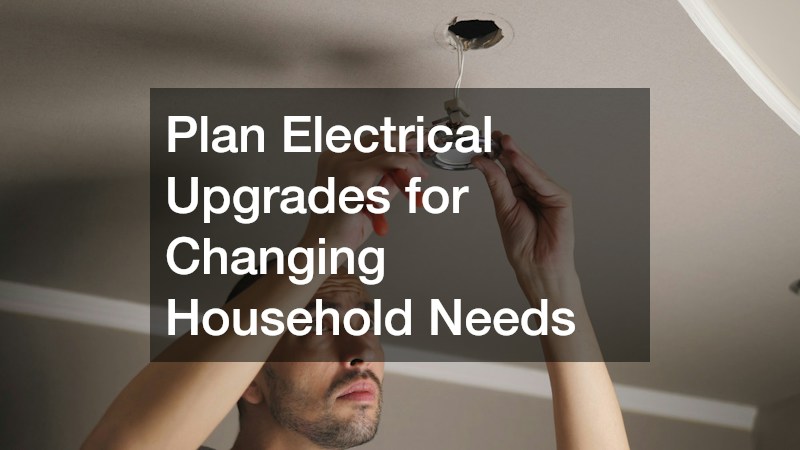
Electrical improvements can make a home more convenient and better suited to modern household needs. However, these projects require careful planning because installation costs depend on the existing wiring, panel capacity, equipment requirements, and applicable building codes.
Homeowners considering ev home chargers should first determine where a vehicle will be parked and how frequently it will need charging. A qualified electrician can assess whether the existing electrical panel can support the additional load or whether upgrades are necessary.
The total cost may include the charging unit, wiring, labor, permits, and any required electrical modifications. Comparing these expenses before purchasing equipment helps prevent unexpected costs.
To plan an affordable installation:
- Obtain an electrical assessment before selecting a charger.
- Compare equipment specifications, warranties, and installation requirements.
- Choose a practical mounting location that minimizes unnecessary wiring.
- Ask about available utility incentives or qualifying tax benefits.
- Confirm that installation meets local codes and manufacturer requirements.
Other electrical improvements may include replacing damaged outlets, updating inadequate lighting, and correcting identified safety concerns. Never attempt electrical work beyond your qualifications, particularly when it involves live circuits or panel modifications.
Improve Exterior Appearance Without Overspending
A home’s exterior influences its first impression, but improving curb appeal does not require an expensive renovation. Regular maintenance, thoughtful landscaping, and a few targeted updates can make a property look more welcoming while helping prevent deterioration.
Start by inspecting the areas most exposed to weather. Loose trim, peeling finishes, damaged siding, clogged gutters, and poor drainage can lead to more expensive problems if ignored. Addressing these issues before adding decorative features helps protect the property and makes subsequent improvements more effective.
A local home remodeling service may be useful when repairs require specialized tools, exterior material replacement, or coordinated work across several areas. Request a detailed estimate and confirm which repairs are essential before agreeing to optional enhancements.
Consider these affordable exterior improvements:
- Clean walkways, porches, and accessible exterior surfaces.
- Maintain shrubs and remove overgrown vegetation.
- Refresh the front entrance with suitable paint or hardware.
- Replace outdated house numbers or worn outdoor lighting.
- Repair minor exterior defects before they spread.
Choose materials designed for local weather conditions and follow manufacturer recommendations for preparation and maintenance. Avoid covering up damaged surfaces without addressing the underlying cause.
A clean, well-maintained exterior can improve everyday enjoyment and help demonstrate that the property receives consistent care. Prioritizing repairs over purely decorative upgrades also makes limited improvement funds go further.
Schedule Projects Strategically to Avoid Unnecessary Costs

Good timing can reduce disruption, improve coordination, and help homeowners manage renovation expenses. Rather than starting multiple unrelated projects simultaneously, create a schedule that groups compatible tasks and allows enough time for deliveries, inspections, and unexpected delays.
For example, painting several rooms during one project may reduce setup and preparation costs compared with hiring someone separately for each room. Similarly, completing related repairs during one contractor visit may reduce repeated travel charges.
For larger projects, house construction companies and other qualified providers should supply realistic timelines, clear scopes of work, and written payment terms. Make sure the schedule accounts for material availability and any permits or inspections required.
Improve project coordination with these steps:
- Complete essential repairs before cosmetic work.
- Group projects that use similar materials or trades.
- Research seasonal weather conditions before scheduling exterior work.
- Confirm measurements and material specifications before ordering supplies.
- Keep a calendar of appointments, deliveries, and payment deadlines.
- Inspect completed work before approving final payment.
Avoid rushing into projects because of limited-time discounts. Verify total costs, review contracts, and compare estimates before making decisions. A phased improvement plan helps spread expenses over time, minimize disruption, and maintain a comfortable, functional home.
Budget-friendly home improvements can enhance comfort, efficiency, appearance, and property value without requiring extensive renovations. Start by establishing a realistic budget and prioritizing essential repairs over optional upgrades.
Routine maintenance, affordable cosmetic updates, improved insulation, and efficient fixtures can deliver lasting benefits. Compare estimates, choose durable materials, and hire qualified professionals when necessary to avoid costly mistakes.