

A burst pipe at midnight or a cracked ceiling after a storm rarely waits for a convenient moment. When homeowners scramble to find help during a crisis, they lose the ability to compare prices, vet credentials, or negotiate fair rates. That panic-driven search is exactly why emergency repairs so often cost two or three times what the same job would cost if scheduled in advance. Understanding why this happens, and building a simple plan before disaster strikes, can save thousands of dollars and a lot of stress.
Understand Why Panic Pricing Happens
When a system fails without warning, homeowners lose their leverage to shop around. Contractors know that emergency calls come with urgency, and many charge after-hours premiums, rush fees, or minimum service charges that would never apply to a scheduled appointment. This isn’t necessarily predatory; it reflects real costs like overtime labor and disrupted schedules. But the result is the same for the homeowner: a much higher bill than if the same repair had been planned weeks in advance.
The pricing gap also comes from limited options. If your only choice is whoever answers the phone at 2 a.m., you cannot compare three quotes or ask for a discount. Having a shortlist of trusted professionals ready before an emergency happens restores some of that negotiating power, even under pressure.
Recognize Warning Signs Before Electrical Systems Fail
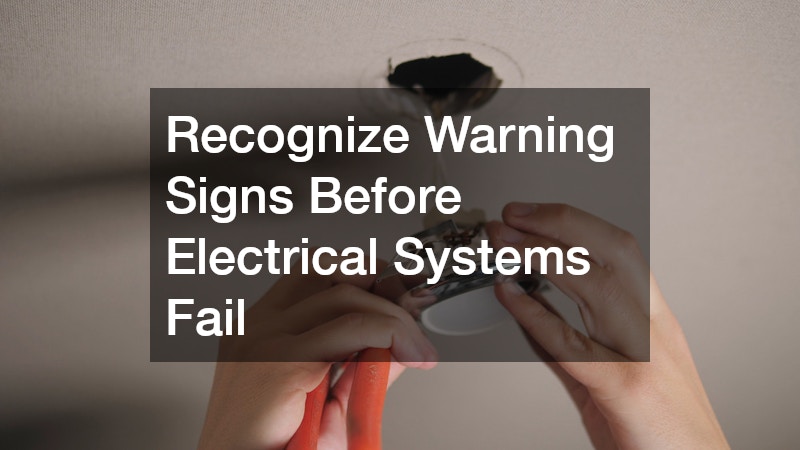
Electrical emergencies are some of the most dangerous and expensive to handle reactively. Flickering lights, warm outlets, or a breaker that trips repeatedly are early signals that something is wrong, and ignoring them often leads to a late-night call to an emergency electrician at premium rates. Scheduling a routine inspection when you notice these symptoms costs far less than an emergency service call after a wire overheats or a panel fails completely.
Many homeowners wait until there is smoke or a total power outage before calling for help, which forces them into the most expensive tier of service. A licensed electrician can often catch small issues, like a loose connection or an outdated panel, during a standard visit that would otherwise turn into a weekend emergency.
- Outlets that feel warm to the touch or show scorch marks
- Circuit breakers that trip more than once a month
- Lights that dim when large appliances turn on
- A persistent burning smell near outlets or the breaker box
Watch for Small Leaks Before Drains Back Up Completely
A slow drain is annoying, but a fully clogged drain that floods a bathroom or kitchen at 11 p.m. is a genuine emergency. Most severe backups start small, with water draining a little slower each week, gurgling sounds, or minor odors that homeowners choose to ignore. Addressing the issue during business hours, rather than waiting for a complete blockage, typically costs a fraction of an emergency plumbing dispatch fee.
Preventive maintenance, like periodic drain cleaning or avoiding grease and fibrous food scraps going down the sink, reduces the odds of a middle-of-the-night disaster. Property owners who schedule an annual check tend to avoid the frantic search for anyone available immediately, which is when prices spike the most.
Plan Cooling System Repairs Before the Hottest Week of Summer

Air conditioning failures cluster during heat waves, which is precisely when demand for repairs is highest and availability is lowest. Booking a seasonal tune-up in spring, before temperatures climb, gives a professional time to catch worn parts or refrigerant issues while scheduling is still flexible. Waiting until the first 95-degree day to call an air conditioner installer almost guarantees a longer wait and a higher price tag.
Homeowners who treat cooling system maintenance as a one-time purchase rather than an ongoing relationship often pay more over the life of the unit. A yearly inspection is inexpensive compared to an emergency replacement, and it also extends the lifespan of the equipment by catching small problems early.
- Schedule inspections in early spring before demand peaks
- Replace air filters every one to three months
- Listen for unusual rattling or grinding sounds
- Keep outdoor units clear of debris and overgrown vegetation
Inspect Your Roof Twice a Year Instead of After a Storm
Roof damage is one of the clearest examples of how waiting for an emergency inflates costs. A missing shingle or small leak identified during a routine check is a minor repair, but the same issue left unaddressed through a storm season can lead to interior water damage, mold, and a rushed call to a roofer during peak storm response season. Scheduling two inspections a year, typically in spring and fall, catches problems while they are still small and affordable.
After severe weather, roofers are often booked solid for weeks, and homeowners desperate for a tarp or emergency patch may accept inflated quotes just to stop the bleeding. Building a relationship with a roofing professional before storm season means you are already on their client list when things go wrong, rather than competing with hundreds of new callers for the same limited crew.
Maintain Trees Before Storm Season Turns Them Into Hazards

Overgrown branches near a roofline or power line are a predictable hazard, yet many homeowners wait until a limb crashes through a window to take action. A single mature branch can weigh several hundred pounds, and when it snaps in a 50-mph gust, it can take out a section of roof, a fence, or a parked car in seconds. Emergency removal after that kind of damage often runs into the thousands once you factor in roof repair, debris hauling, and insurance deductibles. Routine trimming from tree pruning contractors reduces the weight and reach of branches that could otherwise snap during high winds, and it is dramatically cheaper than emergency cleanup after storm damage. A proactive visit typically costs a few hundred dollars per tree, depending on size and access, compared to emergency storm response fees that can be three to four times higher due to after-hours rates and demand surges. A once- or twice-yearly pruning schedule keeps trees healthier and less likely to become a liability. Late winter or early spring pruning, before storm season ramps up, gives trees time to heal and reduces the chance of disease taking hold in fresh cuts. Homeowners should also ask contractors to flag weak branch unions, deadwood, and any limbs overhanging the roofline, since these are the spots most likely to fail first under storm-force winds.
When a tree does fail catastrophically, whether from disease, storm damage, or root failure, homeowners often need tree removal services on an emergency basis, and crews charge accordingly for the equipment, risk, and urgency involved. A scheduled removal might run a few hundred to a thousand dollars depending on the tree’s size, but an emergency job involving a tree tangled in power lines or blocking a driveway after a storm can easily double or triple that cost once you factor in after-hours rates, crane rental, and hazard pay for climbers working in unstable conditions. Identifying a dying or structurally unsound tree early, through a professional assessment, allows for planned removal at a scheduled rate instead of a storm-driven emergency dispatch. Arborists look for warning signs homeowners often miss: fungal growth at the base, cracked or hollow trunks, large dead branches in the canopy, and roots that have been damaged by construction or heavy equipment. A tree leaning noticeably more than it did last year, or one that’s dropping bark in patches, is often signaling structural failure well before it actually comes down. Scheduling an annual or biannual inspection, ideally in early spring and again before peak storm season, gives you a window to act before wind and saturated soil turn a weak tree into a falling one. Removing or cabling a compromised tree in calm, dry conditions also reduces risk to the crew, which is part of why the labor itself costs less than a storm-driven callout. Even trimming back heavy limbs near rooflines and power lines proactively can prevent the kind of damage that turns a $300 pruning job into a five-figure emergency repair bill.
- Look for dead branches, especially those hanging over the roof, driveway, or power lines — a falling limb can cause $1,000+ in emergency repairs
- Check for fungus growth or mushrooms at the base, which often signals root decay and a tree at risk of toppling
- Note any leaning that has worsened over the past year, even a few inches, since this often means roots are losing their grip
- Inspect for cracked or splitting bark, which can weaken a tree’s structure well before it visibly falls
- Schedule pruning before hurricane or heavy snow season in your region — ideally 4-6 weeks ahead, since arborists book up fast once storm warnings hit
- Remove any branches within 10 feet of your roofline, as these pose the highest risk during high winds
- Consider a professional risk assessment every 2-3 years for large or mature trees near your home
Address Foundation Cracks Before They Become Structural Emergencies
A hairline crack in a basement wall or a door that suddenly sticks can be early signs of foundation movement. These issues rarely resolve themselves, and left unchecked, they tend to worsen until the house needs extensive foundation repair performed on an emergency timeline. Getting a professional assessment as soon as you notice these symptoms allows for a planned, less invasive fix rather than a rushed structural intervention.
Foundation problems are also seasonal in nature, often worsening after heavy rain or during freeze-thaw cycles. Homeowners who schedule an inspection before these conditions hit are far better positioned than those who wait for a wall to visibly bow or a floor to noticeably slope.
Replace Flooring on Your Schedule, Not During a Water Emergency

Flooring often gets replaced reactively, after a pipe bursts or an appliance leaks and ruins the existing surface. Planning a vinyl floor installation before old flooring is damaged beyond repair gives homeowners time to choose materials, compare quotes, and avoid rush fees tied to emergency water damage cleanup. It also means the work can be scheduled around your life rather than squeezed in during a stressful cleanup period.
Vinyl flooring is a popular choice for areas prone to moisture because it holds up well against spills and humidity, but even durable materials eventually show wear that signals it is time for a proactive update. Watching for lifting edges, discoloration, or soft spots lets you plan the replacement before a small issue turns into a full emergency remodel.
Upgrade Kitchen Surfaces Before Cracks Force a Rushed Decision
Kitchen countertops take daily abuse from heat, knives, and heavy use, and many homeowners only replace them after a crack or chip becomes unavoidable. Waiting for a countertop to fail completely, especially if it is load-bearing near a sink cutout, can turn into an emergency if water damage or instability follows. Planning the upgrade in advance allows time to select materials that fit your budget and lifestyle rather than accepting whatever is available immediately.
A proactive replacement also pairs well with other kitchen updates, since contractors can coordinate plumbing or electrical work during the same visit instead of charging separate emergency rates for each trade later.
Secure Your Property Perimeter Before Storm or Wind Damage Strikes
A damaged or leaning fence is often low on the priority list until it collapses during a storm or becomes a safety hazard for children and pets. Reaching out to fence companies for a routine repair or reinforcement before severe weather season is far less expensive than an emergency rebuild after a section blows down. Regular inspection of posts, gates, and hardware helps catch small weaknesses before they become total failures.
Property owners who wait until a fence is a hazard often face longer wait times as well, since storm damage tends to affect an entire neighborhood at once, spreading available repair crews thin. Scheduling routine maintenance keeps your property secure and avoids the inflated costs that come with high-demand emergency repair windows.
The pattern across every system in a home is the same: waiting for a crisis hands all the leverage to whoever happens to be available, and availability during emergencies is expensive. Building relationships with trusted professionals, scheduling seasonal inspections, and addressing small warning signs early are the most reliable ways to avoid emergency pricing altogether. Start by walking through your own home this week and noting which systems haven’t been checked in the past year. A little planning now is the difference between a manageable repair bill and a financial emergency later.