
Energy costs rarely stay the same for long. One month, it’s your cooling bill climbing during a heatwave, and the next it’s heating costs creeping up when temperatures dip. For many homeowners, the frustration isn’t just the cost—it’s the unpredictability.
The good news is that lowering your energy expenses doesn’t require a single massive upgrade. Instead, it’s about making smarter decisions across your home, from how systems operate to how spaces are designed and maintained. When these small changes stack together, the result is a noticeable reduction in your monthly bills—and a more comfortable home overall.
Audit Your Home’s Energy Use Before Making Changes
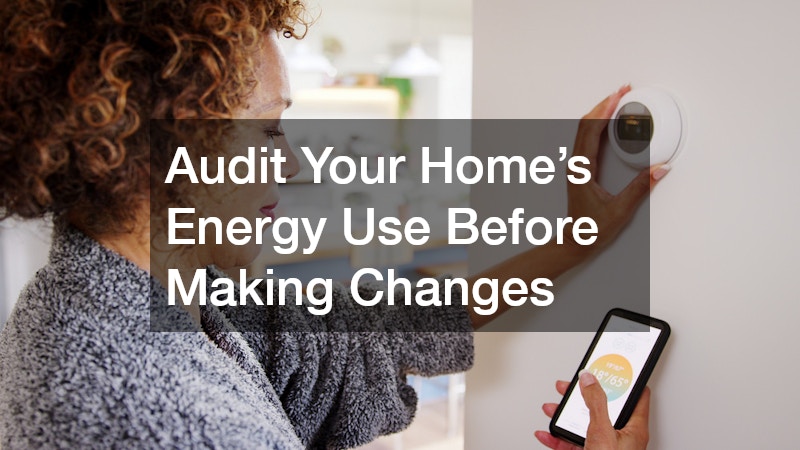
Before you invest in upgrades, it’s worth understanding where your energy is actually going. Many homeowners assume their biggest expenses come from obvious sources like heating and cooling, but hidden inefficiencies often tell a different story.
A thorough evaluation can uncover issues you wouldn’t otherwise notice. For example, a camera inspection can reveal hidden leaks inside walls or under floors that slowly waste both water and energy. These aren’t problems you’ll see on the surface, but they can quietly inflate your utility bills over time.
Working with a plumbing contractor during this stage can also be surprisingly valuable. They can identify outdated piping, inefficient fixtures, or pressure issues that contribute to unnecessary energy use—especially when it comes to heating water.
Think of this step as building a roadmap. Instead of guessing what to fix first, you’ll have clear priorities based on actual data. Some homeowners discover that a relatively small fix—like sealing a leak or replacing a failing component—can make a bigger impact than a costly system upgrade.
Upgrade Heating and Cooling Systems for Maximum Efficiency
If your energy bills spike during extreme weather, your heating and cooling system is likely the main driver. Older HVAC systems, in particular, tend to work harder than necessary, consuming more energy while delivering less consistent comfort.
Start by paying attention to performance. Are certain rooms always too hot or too cold? Does your system run constantly without reaching the desired temperature? These are signs your setup may be inefficient.
Routine maintenance can make a significant difference. Something as simple as scheduling an AC repair service when performance drops can restore efficiency and prevent the system from overworking. Dirty filters, worn components, or refrigerant issues can all force your system to consume more energy than needed.
You can also take a more proactive approach:
- Adjust thermostat settings based on occupancy
- Use ceiling fans to support airflow
- Schedule seasonal tune-ups before peak usage periods
Modern upgrades, such as smart thermostats, allow you to fine-tune your HVAC usage throughout the day. Over time, these adjustments reduce strain on the system and translate into lower monthly costs.
Understand Seasonal Energy Shifts and Adjust Accordingly
One of the most common reasons homeowners struggle to control energy costs is failing to adjust their approach throughout the year. Energy usage isn’t static—it changes with the seasons, and your strategy should too.
During summer, cooling systems tend to run longer and harder. In winter, heating becomes the dominant expense. But the transitional seasons—spring and fall—offer an opportunity many people overlook. These milder months are ideal for reducing system usage altogether and relying more on natural ventilation.
For example, instead of automatically turning on your cooling system during a warm afternoon, opening windows to create cross-ventilation can provide the same comfort at zero cost. Similarly, layering clothing indoors during cooler mornings can delay the need to use heating systems.
Seasonal adjustments also apply to maintenance timing. Scheduling system checkups before peak seasons ensures everything is running efficiently when you need it most. Waiting until the middle of summer or winter often means your system is already under strain—and costing you more.
Reduce Hot Water Energy Waste With Smarter Solutions

Hot water is one of the most overlooked contributors to energy bills. Every time you take a shower, run a dishwasher, or do laundry, your system is working behind the scenes—and often using more energy than necessary.
Traditional water heaters continuously heat and store water, even when you’re not using it. This standby energy loss adds up quickly. Switching to tankless water heater installation eliminates that issue by heating water only when needed, making it a more efficient long-term option.
Still, replacement isn’t always the first step. If your current system isn’t performing well, it may simply need heater repair. Addressing issues early can restore efficiency and extend the life of your unit.
Beyond equipment, daily habits matter more than most people realize. Shorter showers, washing clothes in cold water, and fixing minor leaks all contribute to reducing hot water usage. When combined with system improvements, these habits can significantly lower energy costs over time.
Seal and Insulate to Stop Energy Loss
Energy loss often happens quietly. Air escapes through tiny gaps around windows, doors, and ductwork, forcing your systems to work harder to maintain a consistent temperature.
Sealing these gaps is one of the most cost-effective improvements you can make. Weatherstripping, caulking, and insulation upgrades can dramatically reduce energy waste without requiring major renovations.
For more extensive improvements, working with a home renovation company can help ensure the job is done correctly. They can identify problem areas—such as poorly insulated attics or outdated materials—and recommend solutions that improve both comfort and efficiency.
Consider this scenario: a homeowner invests in a high-efficiency heating system but skips insulation upgrades. The result? The system still works overtime because the home can’t retain heat. Addressing insulation first often delivers faster and more noticeable savings.
Improve Airflow to Reduce System Strain
Airflow is one of the most underrated factors in home energy efficiency. When air moves freely through your home, your systems don’t have to work as hard to maintain consistent temperatures.
Blocked vents are a common issue. Furniture, rugs, or even dust buildup can restrict airflow, forcing your system to run longer cycles. Taking a few minutes to check and clear vents can have an immediate impact on performance.
Ceiling fans are another simple but effective tool. In warmer months, they help circulate cool air, making rooms feel more comfortable without lowering the thermostat. In cooler months, reversing the fan direction pushes warm air downward, improving heat distribution.
Ductwork also plays a major role. Leaks or poor design can cause air to escape before it reaches its destination. While this isn’t always visible, uneven temperatures between rooms are often a sign of airflow issues.
Improving airflow doesn’t require a full system overhaul. In many cases, small adjustments—like repositioning furniture or cleaning vents—can enhance efficiency and reduce energy usage almost immediately.
Cut Energy Costs Through Smarter Kitchen Upgrades
The kitchen is one of the most energy-intensive areas in any home. Between appliances, lighting, and ventilation, it’s easy for energy usage to climb without much notice.
One often overlooked factor is layout. Poor airflow around appliances can cause them to overheat and consume more energy. Updating kitchen cabinetry can improve spacing and ventilation, allowing appliances to operate more efficiently.
Lighting also plays a role. Swapping out older bulbs for energy-efficient options and maximizing natural light can reduce electricity usage without sacrificing functionality.
If you’re planning upgrades, think beyond aesthetics. A well-designed kitchen not only looks better but also supports lower energy consumption through smarter organization and improved efficiency.
Optimize Bathroom Efficiency to Lower Utility Bills
Bathrooms may be smaller spaces, but they have a disproportionate impact on energy and water usage. Showers, sinks, and ventilation systems all contribute to ongoing costs.
A bathroom remodel focused on efficiency can address multiple issues at once. Modern fixtures use less water without compromising performance, and improved ventilation systems reduce humidity without excessive energy use.
Even small changes can make a difference. Replacing an old showerhead or fixing a slow leak may seem minor, but over time, these adjustments add up.
It’s also worth considering how your habits influence usage. Long showers, running water unnecessarily, or ignoring small maintenance issues can all increase costs. By combining better fixtures with smarter habits, you create a more efficient system overall.
Prevent Costly Issues With Routine System Maintenance
Maintenance isn’t always top of mind—until something breaks. Unfortunately, waiting for problems to appear often leads to higher costs, both in repairs and energy usage.
Regular inspections can catch issues early. For example, back flow testing ensures your water system is functioning properly and safely, preventing inefficiencies that might otherwise go unnoticed.
Scheduling periodic check-ins with a plumbing contractor can also help identify wear and tear before it turns into a larger problem. A small fix today is almost always cheaper than an emergency repair later.
Instead of reacting to issues, think of maintenance as a strategy. A simple yearly checklist—covering heating, cooling, plumbing, and insulation—can keep your home running efficiently and your energy bills under control.
Use Smart Technology to Control Energy Usage Daily
Technology has made it easier than ever to manage energy use without constant effort. Smart devices allow you to automate adjustments, track consumption, and make informed decisions based on real data.
Smart thermostats, for example, learn your habits and adjust settings accordingly. Over time, they optimize HVAC usage to reduce waste while maintaining comfort.
You can also integrate:
- Smart plugs to eliminate standby power
- Automated lighting systems that adjust based on occupancy
- Energy monitoring tools that highlight usage patterns
The key benefit isn’t just convenience—it’s consistency. Instead of relying on memory or manual adjustments, your home works in the background to maintain efficiency every day.
Identify and Eliminate Hidden Energy Drains
Not all energy waste is obvious. In fact, some of the biggest contributors to high utility bills are the smallest and easiest to overlook.
Standby power—often called phantom energy—is a prime example. Devices like televisions, coffee makers, and chargers continue to draw power even when they’re not actively in use. Across an entire home, this can quietly increase your monthly costs.
Grouping electronics on power strips allows you to shut down multiple devices at once. Smart plugs can automate this process, turning off energy flow during hours when devices aren’t needed.
Another area to watch is lighting. Even efficient bulbs can waste energy if left on unnecessarily. Motion sensors in low-traffic areas can ensure lights are only used when needed.
Appliances that run continuously, like refrigerators, can also become inefficient over time. Dirty coils or worn seals force them to work harder, increasing energy use. Periodic cleaning and maintenance help keep them running efficiently.
Plan Long-Term Improvements That Lower Costs Over Time
Energy savings don’t have to happen all at once. In fact, spreading improvements over time can make the process more manageable and budget-friendly.
Working with a home renovation company allows you to approach upgrades strategically. Instead of tackling everything at once, you can prioritize the most impactful changes and plan additional improvements over time.
Combining functional upgrades with design improvements—such as updating kitchen cabinetry while improving layout efficiency—ensures that every investment serves multiple purposes.
It’s also worth researching available rebates or incentives. Many energy-efficient upgrades come with financial benefits that can offset upfront costs, making long-term improvements more accessible.
Build Energy-Saving Habits That Make a Daily Impact
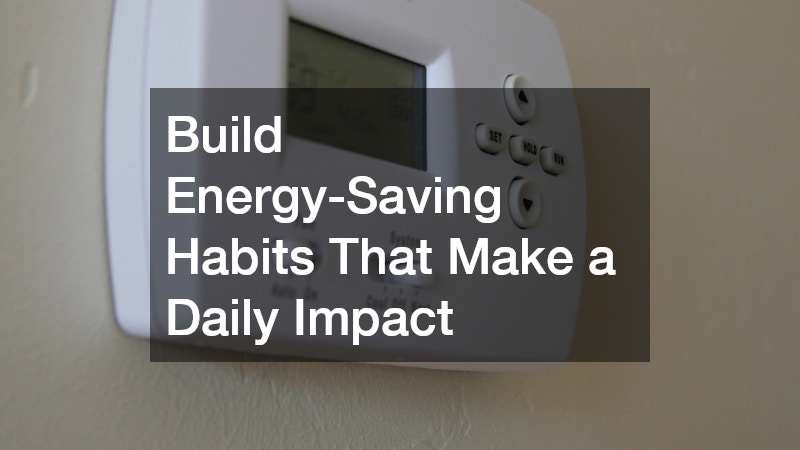
Even the most efficient home can waste energy if daily habits don’t support those improvements. The way you use your systems matters just as much as the systems themselves.
Pay attention to small signals. If your cooling system isn’t performing as expected, it may be time for an AC repair service before the issue worsens. Similarly, addressing heater repair early can prevent your system from consuming excess energy.
Simple habit changes can make a noticeable difference:
- Turning off lights when leaving a room
- Adjusting thermostat settings when away
- Reducing unnecessary appliance use
These actions may seem minor on their own, but over time, they create a consistent pattern of efficiency that supports everything else you’ve implemented.
Create a Long-Term Energy Mindset
The most successful homeowners don’t just implement one or two changes—they adopt a mindset focused on long-term efficiency.
This means thinking beyond immediate savings and considering how each decision affects your home over time. Choosing durable, energy-efficient materials during upgrades may cost more upfront, but it reduces maintenance and energy expenses in the future.
It also involves consistency. Checking systems regularly, staying aware of usage patterns, and adapting to seasonal changes all contribute to sustained savings.
Reviewing your energy bills periodically can help you stay on track. Instead of reacting to sudden increases, you’ll be able to identify trends and make adjustments proactively.
Final Thoughts on Creating a More Efficient Home
Lowering your energy costs isn’t about one big change—it’s about a series of thoughtful decisions that work together over time. By understanding how your home uses energy and making targeted improvements, you can create a space that’s both comfortable and cost-effective.
The most effective approach is proactive. When you stay ahead of maintenance, invest in smart upgrades, and build better habits, your home becomes more efficient with each step. And as those improvements add up, so do the savings.