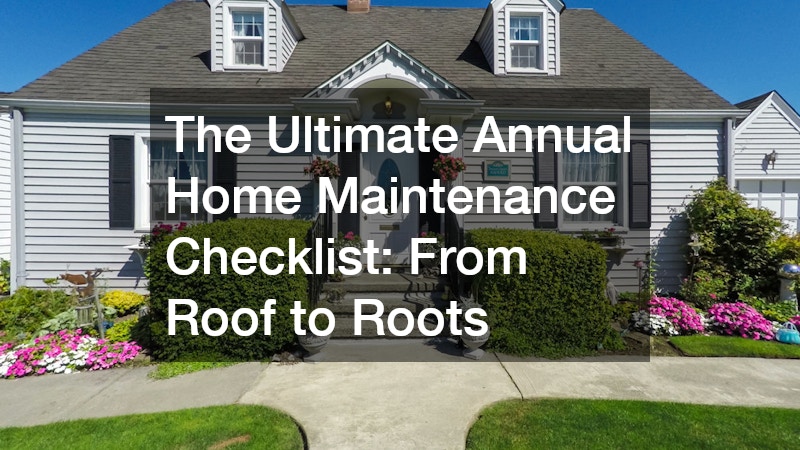

Owning a residential property brings an incredible sense of pride, security, and personal freedom. Yet, alongside the many joys of homeownership lies a continuous responsibility to keep the structure in peak condition throughout the year. Every building is constantly exposed to changing weather conditions, shifting soil foundations, and normal daily wear. Over time, minor issues like a loose shingle, a slow drain, or an inefficient cooling system can quietly expand into massive financial headaches. To prevent these frustrating situations, proactive property owners rely on a structured approach to upkeep. Instead of waiting for something to fail catastrophically before taking action, they implement a steady schedule of preventative evaluations. This consistent methodology preserves the structural integrity of the building, protects the family living inside, and maintains the market value of the primary investment for many years to come.
A complete annual upkeep strategy requires a systematic view of the property. Homeowners should think of their house as an interconnected group of dynamic mechanical and structural systems. A failure in one specific area can easily cause a negative domino effect that impacts another part of the building. For instance, a small external water leak near the roof line can eventually rot the surrounding wood framework, ruin interior wall paint, and degrade expensive flooring downstairs. By adopting a comprehensive, top-to-bottom inspection routine, individuals can discover subtle warning signs long before they escalate into true domestic emergencies. This detailed guide walks through the vital elements of a thorough property checklist, starting from the highest peaks of the roof line all the way down to the deepest roots in the garden soil. With a steady plan in place, maintaining a property transitions from an overwhelming chore into a manageable, highly rewarding routine that protects your family and your peace of mind.
Protecting the Roof Line and Exterior Wall Openings
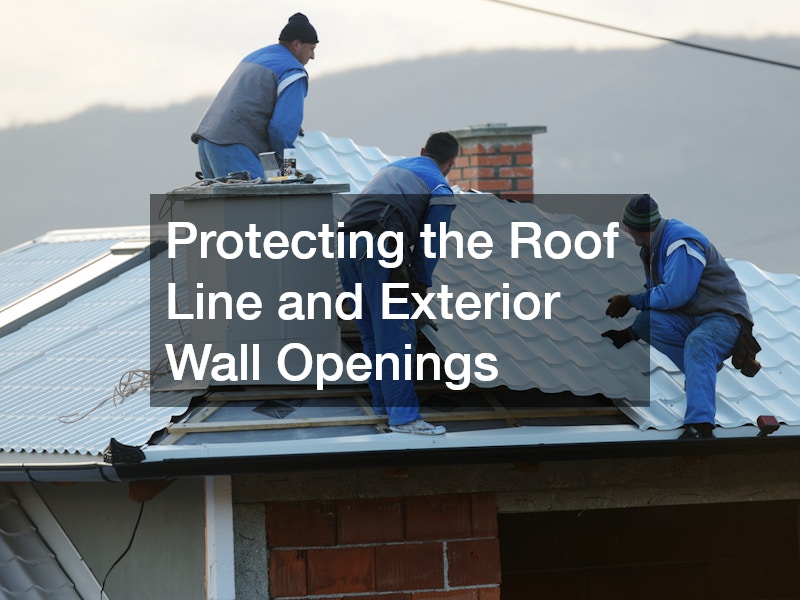
The absolute first line of defense against the elements is the upper structure of the house. Wind, rain, hail, and intense sunlight hit the top of a building with relentless force throughout every single season of the year. Because of this constant environmental exposure, even minor imperfections on the surface can quickly allow water to seep into the attic spaces and ceiling joists, leading to wood rot. Homeowners should make it a clear priority to perform a careful visual inspection of their shingles and metal flashing at least once every twelve months. Looking for missing, cracked, or curling materials can give a clear indication of whether the overall system is still performing its protective job correctly. If any significant wear or storm damage is identified during this inspection, it is incredibly wise to consult a certified roofer to evaluate the situation thoroughly. A professional can safely navigate the steep slopes, pinpoint hidden vulnerabilities, and execute precise repairs before moisture manages to penetrate the interior living spaces.
Beyond the roof itself, the windows and exterior doors represent critical zones where energy loss and moisture intrusion frequently happen. Properly sealing these openings helps maintain a stable, comfortable indoor environment and lowers monthly utility expenses. Homeowners ought to check the caulking and weatherstripping around every single frame, replacing dry or cracked material to completely stop air drafts. On the inside of the glass, the choice of window coverings also plays a massive role in regulating light penetration, privacy, and solar heat accumulation. Engaging professional window treatment services can help property owners select and install advanced blinds, shades, or shutters that effectively insulate the glass panes. These installations do much more than just improve the visual appeal of a room; they actively block intense summer rays and trap indoor warmth during winter drops. By ensuring that both the external structural shell and the internal window fixtures are properly maintained, residents create a secure, highly energy-efficient barrier against the unpredictable outdoor elements.
Managing Climate Systems and Thermal Appliances

Once the exterior shell of the property is completely secure, the focus must shift directly to the internal mechanical systems that keep daily life comfortable and safe. The heating and cooling machinery inside a house works tirelessly to regulate humidity and maintain an ideal temperature. Without routine cleanings and regular component checks, these sensitive mechanical parts can easily become clogged with dust, hair, and airborne debris. This internal buildup forces the machinery to run much harder to achieve the desired output, which accelerates part wear and increases monthly electricity bills. Scheduling a comprehensive inspection of the entire residential HVAC system prior to the peak summer and winter seasons is a fundamental maintenance task. Technicians can clean internal coils, verify refrigerant levels, check electrical connections, and swap out old air filters to ensure optimal airflow. This simple action extends the life of the machinery, reduces unexpected repair bills, and keeps indoor air fresh.
In addition to air temperature control, a home relies heavily on steady access to hot water for sanitation, cooking, and daily cleaning tasks. Storage tanks and tankless systems are subject to constant mineral accumulation, especially in geographic areas with hard municipal water. Over months of continuous operation, calcium and lime scale settle at the bottom of the tank, creating an insulating layer that forces the burners or electrical elements to work significantly longer to heat the water. Homeowners can easily avoid premature tank failure and noisy operation by investing in professional water heater services on an annual basis. A technician can safely flush out the accumulated sediment, inspect the sacrificial anode rod for corrosion, and check the pressure relief valves for proper operation. Maintaining this vital appliance ensures that hot water flows efficiently throughout the pipes whenever a family member turns on a tap, preventing sudden cold surprises during a morning shower.
Enhancing Plumbing Reliability and Interior Floor Health

The network of water lines and drain pipes running through the walls and floors of a house requires regular attention to remain completely functional. Because the vast majority of these utility lines are completely hidden from plain sight, small leaks can exist for months before anyone notices a physical sign of moisture. Homeowners should take time to look beneath sinks, around toilets, and near large appliances for any evidence of pooling water, damp cabinetry, or unusual mold growth. Checking the water pressure throughout the house is another quick way to diagnose hidden systemic issues. If water pressure drops suddenly or a stubborn clog keeps returning despite using standard household tools, it is time to hire a licensed plumber to run a diagnostic check. Utilizing advanced camera inspections can reveal tree root intrusion or pipe degradation deep within the main sewer line before an expensive backup occurs.
While utilities keep the house running smoothly behind the scenes, the actual surfaces that people walk on every single day demand an equal amount of preventative care. Soft flooring materials like rugs and carpets act as massive filters, trapping dust, pollen, pet dander, and tracked-in dirt deep within their individual fibers. Simple weekly vacuuming is excellent for removing surface particles, but it cannot lift the deeply embedded grime that gradually grinds down the base of the carpet fibers over time. Arranging a deep carpet cleaning once a year is an exceptional way to sanitize the home, remove stubborn odors, and extend the overall lifespan of the flooring material. Professional hot water extraction methods pull out the trapped pollutants that regular vacuums leave behind, instantly refreshing the appearance of the rooms. Keeping the floors deeply cleaned minimizes indoor allergens, providing a much healthier living space for children, pets, and individuals with respiratory sensitivities.
Refining Hardscape Footprints and Exterior Greenery

The transition zone between the indoor living areas and the open backyard plays a substantial role in both daily relaxation and general property value. Hardscape structures like walkways, brick patios, and retaining walls provide functional spaces for entertaining guests and navigating the yard safely. However, freeze and thaw cycles, heavy rainfall, and shifting earth can cause heavy stone pavers or concrete slabs to crack, tilt, or sink unevenly. Homeowners should inspect these ground surfaces annually to ensure that rainwater flows away from the house foundation rather than pooling against it. If major settling has created significant tripping hazards or poor drainage angles, collaborating with experienced patio installers can resolve the issue permanently. These specialists can lift the old materials, re-level the underlying gravel and sand beds, and reinstall a durable surface that handles foot traffic and weather beautifully.
Surrounding these structural hardscapes, the living green elements of the property require consistent care to thrive and complement the home architecture. A well-designed yard does more than just boost aesthetic appeal; it provides shade, prevents topsoil erosion, and manages groundwater runoff during severe storms. Property owners should assess their entire landscape each spring to identify dead grass patches, overgrown shrubs, and areas where mulch has completely washed away. Adding fresh organic material to garden beds protects plant roots from extreme temperatures and helps retain vital moisture during dry summer weeks. Pruning decorative bushes and keeping flower beds clear of weeds allows native plants to grow vigorously without competing for nutrients. Balancing the natural plant growth with the rigid hardscape features creates a beautiful, harmonious outdoor environment that increases curb appeal, boosts market value, and expands the usable footprint of the entire property.
Securing the Structural Perimeter and Canopy Safety
The final critical phase of a comprehensive annual upkeep routine looks closely at the living threats and natural hazards that exist along the outer boundaries of the land. Insects, rodents, and other small pests are constantly searching for tiny entry points into a warm, comfortable home environment. Small gaps in the foundation, unsealed utility openings, or cracked vents provide easy access for unwanted visitors. Homeowners should perform a detailed walk around the exterior base of the house, sealing small cracks with silicone or wire mesh. To establish a truly effective barrier against wood-destroying insects and disease-carrying rodents, scheduling regular pest control services is highly recommended. Professionals can apply targeted, eco-friendly treatments around the perimeter of the structure, identify hidden nests, and provide invaluable advice on eliminating standing water sources that attract mosquitoes and other troublesome bugs.
Looking upward from the ground level, the high canopy of mature trees demands careful management to protect both the house roof and surrounding utility lines. While trees provide beautiful shade and clean air, weak or dead branches can easily snap during a severe windstorm or heavy winter snow accumulation. When heavy limbs hang directly over shingles, gutters, or power lines, the potential for catastrophic structural damage increases significantly. Property owners can mitigate these distinct risks by scheduling professional tree trimming as part of their annual seasonal preparations. Removing deadwood, thinning out dense branches to allow wind to pass through safely, and cutting back overhanging limbs protects the building envelope from physical impacts. This preventative maintenance also improves the overall health of the tree itself, ensuring that it continues to grow beautifully without posing a direct threat to the safety of the household below.
Taking a systematic, top-to-bottom approach to property maintenance is one of the smartest decisions an individual can make as a homeowner. When people treat their living space as a collection of precious systems that require routine care, they successfully avoid the high stress and financial strain of emergency structural failures. Spending a small amount of time and money on annual inspections allows residents to address minor issues when they are simple, fast, and inexpensive to fix. This continuous care creates a remarkably reliable, safe, and comfortable environment where a family can thrive without worrying about hidden surprises behind the walls or above the ceilings.
Ultimately, a well-maintained home stands as a durable asset that holds its financial value and structural integrity against the passage of time and the harsh wear of changing seasons. By following a structured checklist from the highest points of the roof down to the deep roots of the yard, property owners gain absolute control over their living environment. The peace of mind that comes from knowing every utility line, climate appliance, and structural element has been checked by a trusted expert is truly priceless. With consistency, patience, and a dedication to proactive care, any house can remain a beautiful, secure, and highly efficient sanctuary for decades to come.