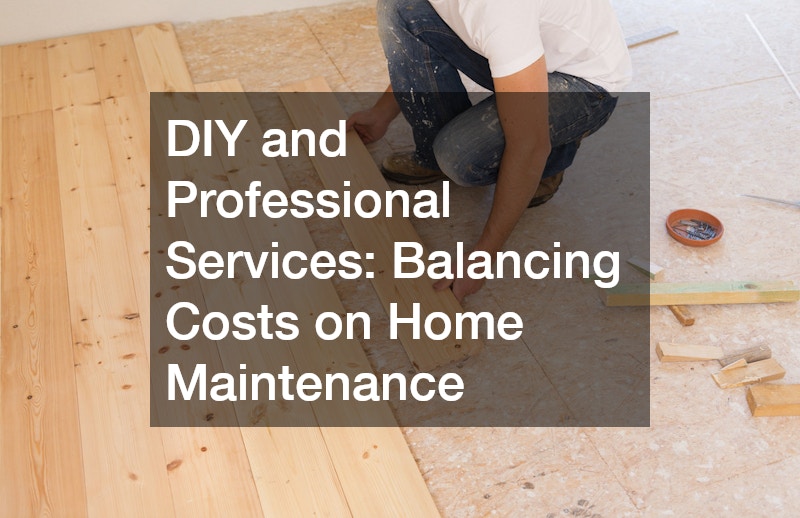

Owning a home brings pride and comfort, but it also comes with ongoing responsibilities. Maintaining a home involves a combination of regular inspections, preventive care, and occasional upgrades. While some tasks are simple enough to handle yourself, others require professional expertise to ensure safety, efficiency, and long-term value. Balancing DIY projects with professional services is the key to keeping your home in top condition without overspending.
A well-planned maintenance routine not only protects your investment but also prevents emergencies that can disrupt daily life. From indoor systems to outdoor structures, every area of the home requires attention. Understanding which tasks you can tackle yourself and which ones need professional help allows you to save money while ensuring quality and safety. This guide provides practical, actionable advice on navigating DIY and professional home maintenance for budget-conscious homeowners.
Inspect and Maintain Your Fireplace Safely
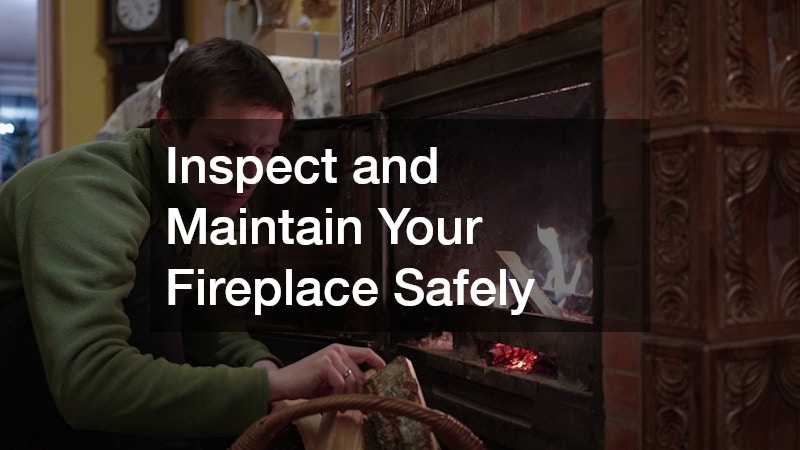
Fireplaces provide warmth and ambiance, but they also pose potential hazards if not maintained properly. Neglecting a fireplace can lead to creosote buildup, chimney blockages, and even fire risks.
While routine cleaning and inspections can be handled on your own, hiring a professional for more thorough maintenance is essential. Technicians can perform deep chimney sweeps, inspect structural integrity, and ensure proper ventilation to prevent fire hazards and carbon monoxide buildup. Scheduling an annual professional check helps maintain efficiency and keeps your fireplace safe throughout the heating season.
DIY fireplace maintenance tips:
- Remove ash regularly to maintain airflow.
- Inspect the chimney for debris or bird nests.
- Check for cracks in masonry or flue liners.
- Ensure the damper opens and closes fully.
Keep Garage Doors Functional and Secure
Garage doors are heavy, mechanical systems that play a crucial role in protecting both your home and vehicles. Even minor issues, like squeaky hinges, misaligned tracks, or sticky rollers, can escalate into larger problems if ignored. Regularly inspecting your garage door for wear and tear, lubricating moving parts, and testing the safety sensors can prevent small problems from becoming costly repairs. Additionally, maintaining clear pathways and removing debris around the door helps ensure smooth operation and reduces the risk of damage to the door or opener. Paying attention to these details allows homeowners to maximize the life of their garage door system while avoiding unnecessary stress and expense.
For more complex issues—such as broken springs, malfunctioning openers, or severely misaligned tracks—calling a garage door company is the safest and most effective solution. Professionals have the tools, knowledge, and safety equipment to handle heavy components without risk of injury. They can also perform comprehensive inspections, identify hidden problems, and provide timely repairs that prevent emergency breakdowns. Regular professional maintenance, combined with DIY checks and lubrication, ensures that your garage door operates reliably, lasts longer, and continues to protect your home and family effectively.
DIY garage door maintenance:
- Lubricate rollers, hinges, and tracks regularly.
- Tighten loose bolts and screws.
- Test the auto-reverse safety feature.
- Keep the tracks free of debris.
Manage Trees to Protect Your Home and Yard
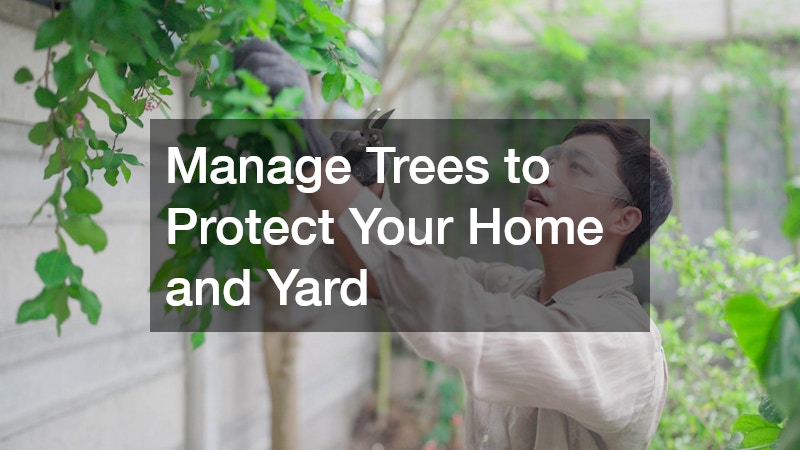
Trees enhance the beauty and value of a home, but they can become hazards if overgrown or damaged. Falling branches or large, unhealthy trees can damage roofs, siding, and power lines.
For larger or dangerous trees, professional tree removals are crucial. Certified arborists have the expertise and equipment to safely remove or prune large trees, minimizing risk to people and property. Scheduling regular inspections ensures that your yard remains safe and aesthetically pleasing without unexpected hazards.
DIY tree care tips:
- Trim small, low-risk branches to improve sunlight and airflow.
- Regularly inspect trees for signs of disease or decay.
- Remove fallen debris to prevent tripping hazards.
Handle Debris and Waste Efficiently
Renovations, seasonal cleanouts, and landscaping projects can quickly produce large amounts of debris, ranging from construction materials and old furniture to yard waste and broken tools. If not properly managed, this debris can clutter your property, create tripping hazards, and even attract pests such as rodents or insects. Accumulated waste can also block access to driveways, garages, or outdoor work areas, slowing down your project and increasing frustration. Taking the time to plan for debris disposal before starting a project helps keep your workspace organized, protects your family and pets, and reduces the likelihood of accidents or damage to your home.
For larger projects, dumpster services offer an efficient and cost-effective solution. Renting a dumpster provides a centralized, contained location to safely dispose of debris, keeping your property clean and minimizing hazards. When choosing a dumpster, consider the volume and type of waste you’ll be generating, as well as the location where it will be placed for easy access. Scheduling pickups strategically ensures that debris doesn’t accumulate longer than necessary, preventing clutter and potential safety risks. Using dumpster services not only simplifies cleanup but also allows you to focus on completing your project efficiently while maintaining a safe, organized environment.
Tips for managing debris:
- Sort items into recyclables, hazardous materials, and general waste.
- Use heavy-duty bags or bins for small loads.
- Wear gloves and protective clothing when handling sharp or hazardous items.
Upgrade Your Kitchen on a Budget

The kitchen is one of the most-used spaces in a home, and small upgrades can significantly improve functionality and appearance.
For more complex upgrades, such as installing new countertops, plumbing adjustments, or cabinet replacement, local kitchen contractors provide expertise and efficiency. Hiring professionals for these tasks ensures quality results and prevents costly mistakes that could arise from attempting major installations on your own. Combining DIY cosmetic improvements with professional work helps maximize value while staying within budget.
DIY kitchen improvement tips:
- Paint cabinets or walls for a fresh look.
- Replace hardware like knobs and handles.
- Install energy-efficient lighting.
Inspect and Maintain Your Roof
Your roof is one of the most important protective elements of your home, shielding it from rain, wind, snow, and other environmental hazards. Even minor leaks, damaged flashing, or missing shingles can quickly escalate into serious problems, including water damage, mold growth, and weakened structural integrity. Regular inspections—especially after storms or severe weather—can help identify issues early. Homeowners can perform simple maintenance tasks, such as clearing debris from gutters, checking for loose shingles, and inspecting the attic for signs of moisture, to reduce the risk of costly damage over time. Being proactive about roof care not only extends the life of your roof but also helps maintain the overall safety and efficiency of your home.
For larger or more complex problems, hiring a local roofer is essential. Professionals have the experience, tools, and safety equipment to perform repairs, replace damaged sections, and conduct thorough inspections to ensure the roof remains structurally sound. Scheduling seasonal maintenance and professional evaluations allows homeowners to catch potential problems before they turn into emergencies, such as leaks that could damage ceilings, walls, and insulation. By combining DIY upkeep with professional roofing services, homeowners can protect their investment, reduce unexpected repair costs, and ensure their roof continues to provide reliable protection for years to come.
DIY roof maintenance tips:
- Clear debris from gutters and downspouts.
- Inspect shingles for cracks or missing pieces.
- Check flashing around chimneys, vents, and skylights.
Maintain a Healthy and Attractive Lawn

A well-maintained lawn improves curb appeal and prevents problems like soil erosion or pest infestations.
Lawn contractors are useful for larger or specialized tasks, such as aeration, landscaping, pest control, or installing irrigation systems. Balancing DIY routine care with professional services allows homeowners to maintain a healthy, attractive lawn without overspending on labor for tasks they can handle themselves.
DIY lawn care tips:
- Mow and edge regularly to promote healthy growth.
- Fertilize appropriately for your region and grass type.
- Water efficiently to avoid overuse and water waste.
Prevent Plumbing Emergencies
Plumbing issues can range from minor annoyances, such as slow drains, dripping faucets, or running toilets, to major emergencies like burst pipes or sewer backups. Even small leaks or inconsistent water pressure can escalate quickly if left unaddressed, potentially causing water damage to walls, floors, and foundations. Homeowners can take preventive steps to reduce plumbing problems, such as regularly checking visible pipes for signs of corrosion, monitoring water pressure, clearing minor clogs safely with a plunger or drain snake, and insulating exposed pipes in cold weather to prevent freezing. Routine attention to these details can help catch issues early, saving time, money, and stress.
For more complex or persistent problems, hiring plumbing companies is the safest and most effective solution. Licensed professionals have the expertise, tools, and experience to repair leaks, replace worn pipes, and install fixtures correctly, ensuring long-term reliability. They can also perform thorough inspections to detect hidden problems, such as slow-developing leaks or worn-out connections, that homeowners might overlook. By combining preventive maintenance with professional intervention when needed, homeowners can maintain a plumbing system that is safe, efficient, and dependable, reducing the likelihood of costly emergencies and water damage in the future.
DIY plumbing maintenance tips:
- Check for leaks around faucets, pipes, and appliances.
- Clear drains with safe methods like plungers or drain snakes.
- Monitor water pressure and adjust valves if necessary.
Protect Your Home from Pests
Pests such as rodents, insects, and termites can create significant problems in a home, ranging from property damage to health hazards. Rodents can chew through wires and insulation, insects like ants or cockroaches can contaminate food, and termites can weaken wooden structures over time. Homeowners can take proactive steps to reduce pest risks, including sealing cracks and gaps around doors, windows, and foundations, maintaining clean kitchens and storage areas, and removing standing water or debris that could attract insects. Regular yard maintenance, such as trimming bushes and managing compost piles, also helps deter pests from entering the home. These preventive measures can significantly lower the likelihood of infestations and protect both property and health.
For larger or persistent infestations, an extermination service is the most reliable and effective solution. Professional pest control technicians can accurately identify the type and extent of the problem, safely apply targeted treatments, and recommend ongoing strategies to prevent future outbreaks. They have access to specialized equipment and chemicals that are more effective than typical DIY solutions, ensuring complete eradication without compromising safety. By combining consistent DIY prevention with timely professional interventions, homeowners can minimize damage, maintain a healthier living environment, and enjoy long-term peace of mind knowing that their home is protected from pest-related risks.
DIY pest prevention tips:
- Seal cracks and entry points around doors, windows, and foundations.
- Maintain cleanliness in kitchens and storage areas.
- Set traps or deterrents for small infestations.
Ensure Fire Safety and Compliance
Fire safety is one of the most important aspects of home maintenance, yet it is often overlooked until an emergency occurs. Properly functioning smoke detectors, alarms, and fire extinguishers are essential tools for protecting both lives and property. Homeowners should routinely test smoke and carbon monoxide detectors, replace batteries at least once a year, and ensure alarms are installed on every floor and near bedrooms. In addition, reviewing and practicing an escape plan with all family members ensures that everyone knows how to respond quickly in the event of a fire. Regular attention to these measures can significantly reduce the risk of injury, property damage, and costly losses.
Professional fire alarm inspections provide an extra layer of security that goes beyond basic homeowner checks. Certified technicians can thoroughly test and calibrate your alarm systems, ensure compliance with local safety codes, and identify potential hazards that may not be obvious, such as faulty wiring or outdated equipment. These inspections also allow for timely repairs or upgrades to prevent system failures during emergencies. By combining routine homeowner monitoring with professional verification, you can create a comprehensive fire safety strategy that maximizes protection, provides peace of mind, and ensures that your home remains a safe environment for everyone.
DIY fire safety tips:
- Test smoke detectors monthly and replace batteries as needed.
- Keep fire extinguishers accessible and in working order.
- Review and practice an escape plan with all household members.
Balancing DIY projects with professional services is essential for maintaining a safe, functional, and efficient home on a budget. While homeowners can handle routine inspections, cleaning, and minor upgrades, certain tasks—like plumbing repairs, roofing, or pest control—require professional expertise to prevent costly mistakes and safety hazards.
Creating a maintenance schedule, prioritizing preventive care, and knowing when to hire experts helps protect your investment and ensures a comfortable living environment. By combining hands-on DIY efforts with professional services, homeowners can enjoy the benefits of a well-maintained home without overspending, while keeping their property safe, efficient, and beautiful year-round.