

Every homeowner wants a house that looks well cared for and holds its value, but many assume a real transformation requires a five-figure budget. The truth is that a handful of smart, targeted upgrades can dramatically change how your home looks from the street and how it performs behind the scenes, all for less than one thousand dollars. This guide breaks down affordable projects that make a visible difference and protect the systems buyers and appraisers care about most. Whether you are preparing to sell or simply want a home that feels fresher and safer, these budget-friendly fixes are a smart place to start.
Refresh the Exterior With a Fresh Coat of Paint
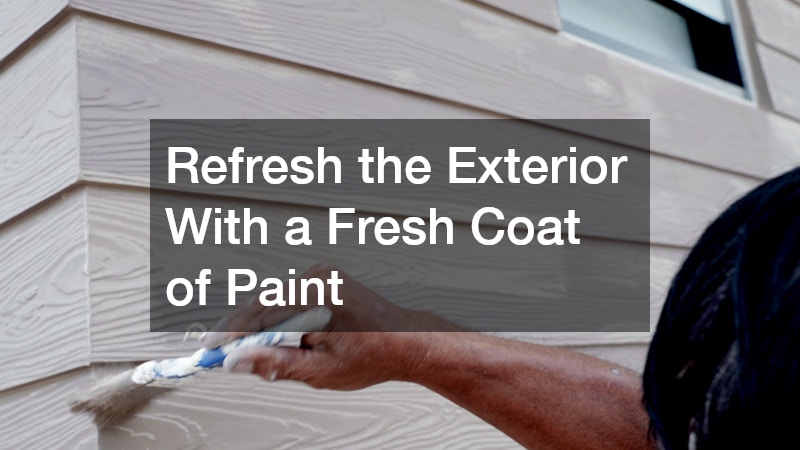
Few upgrades change a home’s first impression as fast as new paint on the front door, shutters, trim, or fascia boards. A tired, faded exterior can make an otherwise well-maintained home look neglected, while crisp color makes everything else, including landscaping and hardscaping, look more polished by comparison. You do not need to repaint the entire house to see a return; focusing on the door, window trim, and porch railings often costs under two hundred dollars in materials.
If the budget allows for professional help, hiring a painter for just the front-facing elements is far more affordable than a whole-house job, and a trained eye will catch prep work like caulking and scraping that DIYers often skip. A painter can also recommend exterior-grade products suited to your climate, which matters if your home faces intense sun, humidity, or freeze-thaw cycles. Even a single accent color on the door, paired with neutral trim, can make a home stand out on the block without looking out of place.
Replace or Repair Damaged Gutters
Gutters that sag, overflow, or are clogged with debris are one of the first things a buyer or neighbor notices, and they also signal deeper maintenance neglect even if the rest of the home looks fine. Water stains streaking down siding or pooling near the foundation are red flags that reduce perceived value instantly. Cleaning and minor repairs can often be done for well under a hundred dollars, while replacing a short damaged section costs only slightly more.
For homes with more extensive gutter issues, getting quotes from a few gutter companies is worth the time, since many offer seasonal discounts and can bundle cleaning with minor repairs in one visit. A properly functioning gutter system protects your roof, siding, and foundation from water damage that becomes far more expensive to fix later. Investing in this unglamorous system now prevents costly surprises during a future home inspection.
Upgrade Your Front Lawn and Landscaping Beds

Landscaping is consistently ranked by real estate agents as one of the highest-return improvements a homeowner can make, and it does not require a full yard renovation to make an impact. Trimming overgrown shrubs, edging garden beds, and adding fresh mulch can transform a yard in a single weekend for well under a hundred dollars. Adding a few flowering perennials near the entrance draws the eye toward the front door, which is exactly where you want attention focused.
If your front yard has bare patches or dead grass, a small-scale lawn installation using sod or seed in just the most visible areas can make the whole property look intentional and cared for. You do not need to redo the entire yard at once; prioritize the strip along the sidewalk and the area framing the porch first. A green, healthy lawn signals to buyers that the property has been maintained consistently, which builds trust before they even step inside.
Address Pest Issues Before They Become Visible
Nothing undermines curb appeal faster than visible signs of pests, such as wasp nests under eaves, ant hills in the yard, or rodent damage near the foundation. These issues are often inexpensive to resolve when caught early, but they can escalate into structural problems that cost thousands if ignored. A single preventative treatment can protect your siding, insulation, and landscaping from damage that is far more visible and expensive to repair later.
Scheduling a visit from pest control professionals once or twice a year is a small investment that protects both your home’s appearance and its long-term value. Many companies offer affordable seasonal packages that cover common issues like ants, spiders, and rodents for a flat rate. Buyers and appraisers both take note of pest damage during walkthroughs, so staying ahead of the problem protects your resale value as much as your peace of mind.
Improve Energy Efficiency With Better Insulation
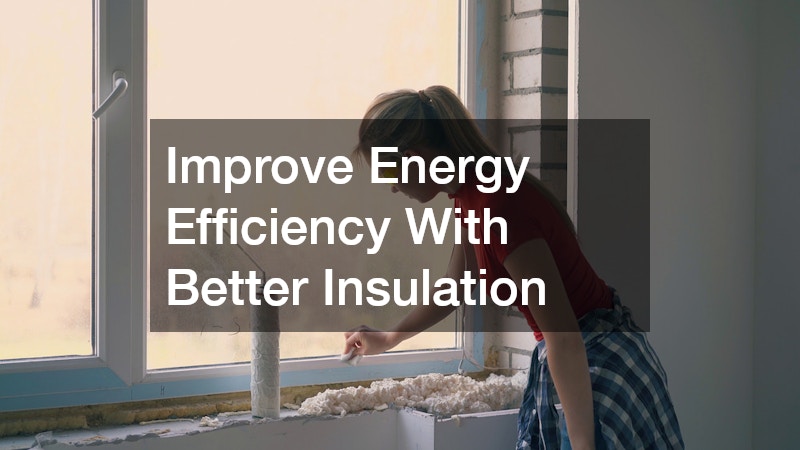
While insulation is not something buyers see directly, it shows up in ways that matter, including lower utility bills, more even indoor temperatures, and less strain on heating and cooling systems. Homes with poor insulation often develop ice dams, drafty rooms, or visible energy loss that savvy buyers notice during a walkthrough. Even a simple check with your hand along baseboards and window frames on a cold day can reveal drafts worth addressing. Adding insulation to an attic hatch, rim joists, or exposed basement pipes can often be done for a few hundred dollars. A foam-insulated attic hatch cover typically runs $30 to $60, while a few rolls of rim joist insulation or spray foam can cost $50 to $150 depending on the size of your basement perimeter. Pipe insulation sleeves are inexpensive, often under $2 per linear foot, and help prevent both heat loss and frozen pipes in winter. Weatherstripping doors and sealing gaps around electrical outlets, recessed lighting, and window frames are other low-cost projects that fall well within a $1,000 budget. These small upgrades add up: the U.S. Department of Energy estimates that air sealing and insulation improvements can reduce heating and cooling costs by up to 15 percent. That kind of savings is easy to mention to prospective buyers, and it signals that the home has been well maintained behind the walls, not just on the surface.
Rather than paying for a full home energy audit, ask insulation contractors for a targeted assessment focused on a few problem areas, which typically costs far less while still delivering actionable results. Many companies offer this kind of walk-through for $100 to $300, or sometimes free if they’re bidding on the work. The goal is to identify the highest-impact fixes for the lowest cost, not to overhaul the entire house. During these assessments, contractors often flag simple issues homeowners overlook, such as gaps around recessed lighting fixtures, unsealed attic hatches, or thin weatherstripping on attic access doors. Adding foam gaskets behind outlet covers on exterior walls or sealing the joint where the foundation meets the framing can also make a noticeable difference. These fixes usually run well under $100 in materials and just an hour or two of labor. Small as they seem, these small investments pay for themselves in energy savings, often within a year or two through lower heating and cooling bills. They also send a strong signal to future buyers: a home inspection report showing sealed penetrations and updated weatherstripping suggests the property has been properly maintained. That kind of documented care can be a quiet but persuasive selling point during negotiations.
Keep Your Fuel and Heating Systems in Good Standing
For homes that rely on propane for heating, cooking, or water heating, a well-maintained system is a quiet but important part of overall home value. Buyers researching a home will often ask about the age and condition of fuel tanks and delivery contracts, so keeping documentation and maintenance records organized reflects well on the seller. Whether you own your propane tank or lease one from a supplier also matters, since leased tanks typically come with transferable service agreements that new owners appreciate having in writing. A simple tank inspection, usually $75 to $150, or a minor valve replacement is typically an affordable expense that prevents larger safety concerns down the road. It’s also worth having a technician check the regulator, gas lines, and connections for corrosion, especially in tanks over ten years old. Many propane companies offer free or low-cost inspections as part of an active delivery contract, so check before paying out of pocket. Beyond safety, an updated furnace filter, a recent chimney or vent sweep, and a serviced water heater all signal to buyers that fuel systems have been cared for rather than neglected. Keep receipts and service dates in a simple folder or digital file so they’re ready to hand over during a home inspection or walkthrough. This small effort costs little but can ease buyer concerns and speed up negotiations considerably.
If your property still has remnants of an old oil heating system, addressing it now rather than later can prevent a major headache during a future sale. Underground oil tank removal is often flagged during real estate transactions, and unresolved tanks can scare off buyers or trigger costly environmental testing requirements. Many mortgage lenders and insurance companies will refuse to finalize a deal until the tank issue is resolved, which can stall a closing for weeks. Costs vary depending on tank size, soil contamination, and local regulations, but a straightforward removal often falls in the $1,000 to $2,500 range, while contaminated soil remediation can push costs significantly higher. Getting a professional inspection now, even for a few hundred dollars, gives you a clear picture of what you’re dealing with before it becomes a bigger and more expensive problem. Handling this proactively, even in stages, protects your home’s marketability and shows a documented history of responsible ownership. Keep every receipt, inspection report, and closure certificate in one file, since buyers and their agents will want proof that the job was done to code. A tank decommissioned properly by a licensed contractor, with paperwork to back it up, can turn a potential red flag into a point of confidence for prospective buyers.
Maintain Your Roof and Chimney for Long-Term Value

The roof and chimney are among the most scrutinized parts of a home during any inspection, and small, affordable repairs now can prevent much larger expenses later. A basic roof and chimney checkup often costs $150 to $400, yet it can catch problems while they’re still cheap to fix rather than after they’ve caused water damage inside the home. Loose flashing, cracked mortar joints, or a leaning chimney cap are all issues that a licensed chimney company can typically diagnose and repair in a single visit for a reasonable cost, often well under $500. Rusted chimney caps and gaps around the base are common entry points for water and pests, and sealing them early is far cheaper than replacing damaged framing or insulation later. It’s also worth asking a technician to check for missing or curling shingles near the chimney, since this is one of the most common spots for leaks to start. Keeping this structure sound protects not just curb appeal but the structural integrity of the entire roofline, and it reassures buyers or appraisers that the home has been well maintained.
Your roof and chimney take the brunt of the weather all year, and small problems here can quietly become expensive ones if you wait too long. For homes with metal roofing, working with experienced metal roofing contractors for minor repairs, such as resealing seams, replacing a damaged panel, or tightening loose fasteners, is often more affordable than people expect, typically running $150 to $400 depending on the scope, and extends the life of the roof significantly. Metal roofs are prized by buyers for their durability, longevity, and energy efficiency, so keeping one in good condition is a strong selling point during a sale. Addressing small roof issues early prevents water intrusion that can damage insulation, drywall, and flooring inside the home. A single missed leak can turn a $200 repair into a $2,000 problem once mold or structural rot sets in. Don’t overlook the chimney while you’re at it. Cracked mortar, a damaged cap, or rusted flashing where the chimney meets the roofline are common entry points for water, and repointing or resealing these areas often costs well under $500. Even a quick visual inspection from the ground with binoculars can help you catch warning signs before they turn into costly repairs.
Handle Underground Systems That Buyers Ask About
Homes on septic systems face unique scrutiny during a sale, and a well-documented maintenance history can make a significant difference in buyer confidence. Routine cesspool pumping keeps the system functioning properly and prevents backups that can cause expensive yard and plumbing damage. This service is typically affordable when done on a regular schedule, and skipping it often leads to far costlier emergency repairs.
Keeping records of when the system was last serviced gives buyers peace of mind and can be a point of negotiation in your favor during a sale. A neglected system, on the other hand, can raise red flags during inspection and delay or derail a transaction entirely. Treating this unseen system with the same care as visible upgrades protects both your investment and your reputation as a responsible homeowner.
Boosting curb appeal and home value does not require a massive renovation budget; it requires knowing where to focus your attention and addressing small issues before they grow into expensive problems. By tackling exterior paint, landscaping, gutters, pest prevention, and key mechanical systems, you can meaningfully improve how your home looks and functions for well under a thousand dollars. Start with the projects most visible from the street, then work your way toward the systems that protect your home behind the scenes. A little strategic spending now can pay off significantly whether you plan to sell soon or simply want to enjoy a home that looks and feels its best.