
Your water heater is probably working harder than it needs to, and that extra effort shows up on your monthly utility bill. The good news is that a full system replacement isn’t the only way to lower those costs. With a few targeted adjustments, some routine maintenance, and a couple of smart upgrades, most homeowners can meaningfully cut hot water expenses while keeping their existing unit running well.
This guide walks through practical, budget-friendly steps you can take starting this week.
Lower Your Thermostat Setting Safely
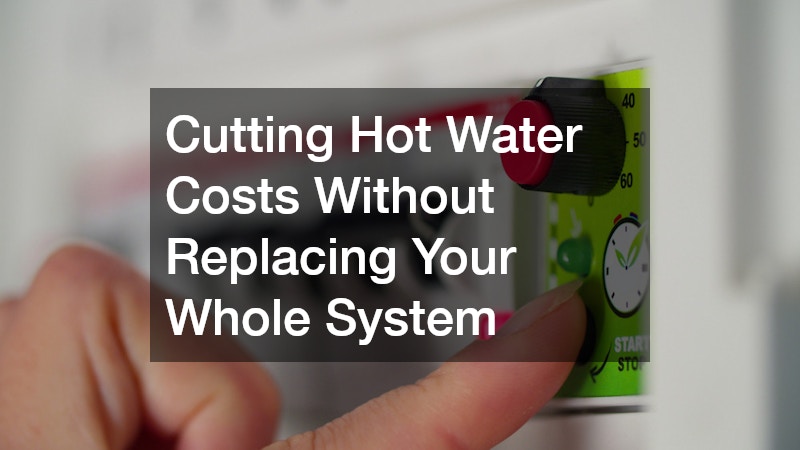
Many water heaters arrive from the factory set to 140 degrees Fahrenheit, which is hotter than most households actually need. Turning the thermostat down to 120 degrees still delivers comfortably hot water for showers, laundry, and dishes while reducing standby heat loss. Every 10-degree reduction can trim your water heating costs by a noticeable percentage over the course of a year. This is one of the simplest changes you can make, and it costs nothing beyond a few minutes with a screwdriver.
Before adjusting the dial yourself, check your owner’s manual, since some units have different access points or digital controls. If your water heater seems to run hotter or colder than the setting indicates, that inconsistency could point to a failing thermostat rather than a simple calibration issue. In that case, scheduling water heater repair is a smarter move than repeatedly guessing at the dial, since a technician can diagnose whether the sensor itself needs replacing.
Insulate the Tank and Exposed Pipes
Heat naturally escapes through the metal walls of your tank and through any exposed piping, especially in unheated basements or garages. Wrapping your water heater in an insulating blanket and adding foam sleeves to the first few feet of hot water pipe can reduce heat loss significantly. This is a low-cost project that most homeowners can complete in under an hour with materials from any hardware store.
- Choose a tank wrap rated for your heater type, since gas and electric units have different clearance requirements around vents and burners.
- Leave the thermostat, pressure relief valve, and burner access panel uncovered for safety and easy maintenance.
- Insulate both hot and cold pipes within the first six feet of the tank to prevent condensation and temperature loss.
- Check for gaps or loose seams in the insulation every year or two, since material can shift over time.
Flush Sediment Buildup From the Tank
Minerals and debris settle at the bottom of your tank over time, forming a layer of sediment that forces the heating element or burner to work harder than necessary. This buildup is one of the most common reasons water heaters lose efficiency gradually without any obvious warning signs. Flushing the tank once a year removes this layer and restores more consistent performance.
If it’s been several years since your last flush, or you’ve never done one, the sediment may be thick enough that a simple drain-and-refill isn’t enough to clear it. In homes with notably hard water, sediment tends to accumulate faster and can even shorten the lifespan of the tank itself. To flush the tank yourself, turn off the power or gas supply, connect a hose to the drain valve, and let the water run until it flows clear, then refill the tank fully before restoring power to avoid damaging the heating element.
Address Hard Water Before It Costs You More
Hard water is loaded with dissolved calcium and magnesium, and those minerals don’t just collect in your tank; they also coat heating elements and narrow pipe diameters throughout your home. This buildup forces your system to use more energy to heat the same amount of water, and it accelerates wear on fixtures like faucets and showerheads. If you’ve noticed chalky residue on dishes or stiff, faded laundry, hard water is very likely a contributing factor to your rising utility costs.
- Water softeners work by exchanging calcium and magnesium ions for sodium or potassium, preventing scale from forming in the first place.
- Softened water allows your water heater to reach temperature faster, since there’s less mineral buildup insulating the heating element.
- Appliances like dishwashers and washing machines also run more efficiently with softened water, extending their usable life.
- A simple water hardness test, available at most hardware stores, can confirm whether this is worth addressing in your home.
Upgrade Fixtures Instead of the Whole System

You don’t need a new water heater to reduce how much hot water your household consumes. Low-flow showerheads and faucet aerators can cut hot water usage by a meaningful margin without any noticeable drop in water pressure or comfort. These upgrades typically cost very little and can be installed in minutes with basic tools.
Fixing leaky faucets and running toilets also matters more than people realize, since even a slow drip from a hot water line adds up to gallons of wasted heated water every day. Combining these small fixture upgrades with the tank insulation and sediment flushing mentioned earlier compounds your savings without touching the water heater itself. It’s a practical middle step for homeowners who aren’t ready to invest in a full new setup but still want measurable results.
Know When Repair Makes More Sense Than Replacement
Not every performance issue means your water heater is on its last leg. Inconsistent temperatures, longer wait times for hot water, or unusual noises like popping or rumbling often point to fixable problems rather than a system nearing failure. A qualified technician can usually diagnose these issues quickly and recommend the most cost-effective path forward.
That said, there are situations where investing further into an aging unit doesn’t make financial sense, particularly if the tank is leaking or well past its expected lifespan. In those cases, water heater installation becomes the more economical choice, since newer models are built with better insulation and more efficient heating technology than units from a decade or more ago. Getting an honest assessment from a professional helps you avoid pouring money into repairs on a system that’s genuinely due for retirement.
Conclusion
Cutting your hot water costs doesn’t have to mean tearing out your current system and starting from scratch. Small adjustments like lowering the thermostat, insulating exposed components, flushing sediment, and addressing hard water can add up to real, measurable savings. Start with the lowest-cost steps first, then consider a professional inspection if problems persist, so you can make an informed decision about repairing versus replacing when the time actually comes.