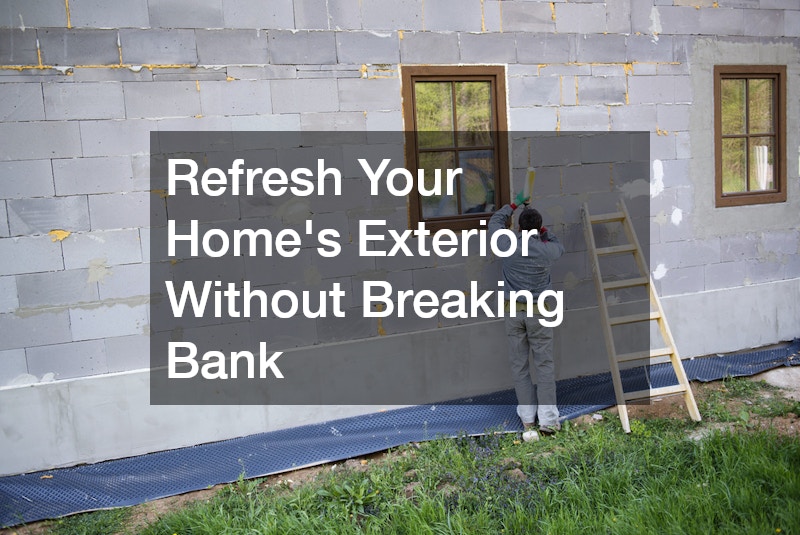

Your home’s exterior takes a beating from sun, rain, wind, and time, but restoring its curb appeal doesn’t require a massive budget. With a bit of strategic planning, you can tackle the projects that matter most and skip the ones that drain your wallet for little visual payoff. This guide breaks down affordable, high-impact updates that boost both appearance and function, from small repairs to smart upgrades. Whether you’re preparing to sell or simply want a home you’re proud to pull up to, these tips will help you prioritize wisely.
Freshen Up Siding and Trim with New Paint
A tired, faded exterior can make even a well-maintained home look neglected, and paint is one of the most cost-effective ways to reverse that impression. Exterior painting instantly updates your home’s color story, covers stains and weathering, and adds a protective layer against moisture damage that helps prevent costly wood rot and siding repairs down the road. You don’t need to repaint the entire house every year to see a difference. Touching up high-visibility areas like trim, shutters, and the front door can refresh the whole look for a fraction of the cost of a full repaint, often for under $200 in materials if you do the work yourself. Before picking up a brush, take a few minutes to scrape away peeling paint, sand rough patches, and wipe down surfaces with a mild detergent to remove dirt and mildew. A quality exterior-grade paint with built-in primer will adhere better and last longer, especially in areas exposed to direct sun or heavy rain. Choosing a satin or semi-gloss finish for trim also makes cleaning easier and gives details a crisp, polished edge. If your budget allows a bit more, consider a bold contrast color for the front door or shutters against a neutral siding tone. This small pop of color is inexpensive but can dramatically boost curb appeal and make your home feel intentionally styled rather than simply maintained.
If the job feels too large for a weekend project, getting quotes from painting companies is worth the time investment. Most reputable contractors offer free estimates, so gathering three or four quotes costs nothing but a few phone calls and an afternoon of walkthroughs. Ask each one for a written breakdown of labor, materials, and prep work so you’re comparing apples to apples. Professionals can also spot issues like rot, peeling, or moisture damage that signal a bigger problem hiding beneath the surface. Catching these early can save thousands in repair costs down the road, since untreated rot often spreads to structural elements like fascia boards or window frames. Many companies offer package deals for combining trim, siding, and door painting in one visit, which typically costs less than booking each job separately. Bundling also means one round of scaffolding or ladder setup instead of several, cutting down on labor hours. When comparing quotes, ask whether the price includes pressure washing and caulking, since both are essential prep steps that affect how long the paint job lasts.
- Choose a light-reflecting color (whites, light grays, soft beiges) to reduce heat absorption in warmer climates and ease strain on your cooling bills
- Stick to two or three complementary colors for a cohesive look — one main body color, a contrasting trim shade, and an accent for the front door
- Test swatches on your actual siding at different times of day, since lighting can shift how a color reads
- Ask about weather-resistant, low-VOC paint options; look for products rated for your climate zone, like those with mold and mildew resistance in humid areas
- Prioritize paint with a strong warranty (10+ years) to protect your investment
- Schedule painting during dry, mild weather for the best finish, ideally 50-85°F with low humidity and no rain in the forecast for 24-48 hours
Inspect and Patch Your Roofline Before Small Issues Grow

The roof is one of the most expensive components of your home, so catching problems early saves significant money down the road. Missing shingles, sagging sections, or granules collecting in gutters are early warning signs that shouldn’t be ignored. A quick inspection twice a year, especially after storms, helps you catch minor damage before it turns into a costly leak.
When repairs are needed, reputable roofers can often patch a small section rather than requiring a full replacement, which keeps costs manageable. Getting multiple estimates and asking about warranty coverage on materials and labor ensures you’re getting a fair, lasting fix.
- Look for curling, cracked, or missing shingles
- Check flashing around chimneys and vents for rust or gaps
- Clear debris from gutters to prevent water backup
- Trim overhanging branches that can scrape or drop debris on the roof
Choose Affordable Options for Exterior Repairs
When it’s time to replace fencing, siding, or porch railings, the materials you choose have a big impact on both upfront cost and long-term maintenance. Composite and fiber cement options often cost more initially than wood, sometimes by a few dollars per square foot, but they require far less upkeep and last longer, making them a smart value over time. Wood may still make sense for small repairs or accent areas where budget is tight and matching existing trim matters more than longevity. Before committing to a material, weigh how much time and money you’re willing to spend on maintenance down the road. Wood fencing, for example, typically needs restaining or sealing every two to three years, while composite panels can go a decade or more with just occasional cleaning. Factor in your local climate too, since humid or coastal areas tend to accelerate wear on untreated wood and lower-grade materials. Shopping around at local supply yards for discounted building materials, especially off-season, can also stretch your renovation budget further. Late fall and winter are often good times to find markdowns on lumber, siding, and railing components as demand slows. It’s also worth asking suppliers about overstock, discontinued colors, or slightly imperfect pieces, which are frequently sold at a steep discount and work perfectly well for most exterior repair projects.
- Compare cost per square foot across at least three suppliers, including big-box stores, local lumberyards, and online retailers
- Ask about remnant or overstock discounts on lumber and siding — these can run 20-50% off regular pricing
- Consider recycled or reclaimed materials for rustic accents, like barn wood trim or salvaged brick for walkway borders
- Check local salvage yards and demolition companies for reclaimed materials before buying new
- Factor in maintenance costs, not just the purchase price — vinyl siding costs more upfront but needs less upkeep than wood
- Ask each supplier about delivery fees and minimum order quantities, since these can offset a low per-unit price
Illuminate Walkways and Landscaping for Instant Curb Appeal

Lighting transforms how a home looks after dark, highlighting architectural features and making walkways safer to navigate. Solar-powered path lights are an inexpensive entry point, while low-voltage LED systems offer more customization for a modest investment. If your yard has mature trees, garden beds, or a water feature, well-placed lighting can make these focal points shine year-round.
For larger properties or more complex setups, consulting landscape lighting companies can help you design a layout that avoids wasted electricity and awkward shadows. Many offer free consultations, so you can get professional input on placement before committing to a purchase.
- Highlight trees, pathways, and entry doors for balanced illumination
- Use warm white bulbs for a welcoming, natural glow
- Install timers or smart controls to manage energy use
- Position fixtures to avoid glare into windows or neighboring yards
Keep Your Pool Area Looking Its Best Without Overspending
A pool can be a major selling point for curb appeal, but neglected water or crumbling decking quickly undoes that advantage. Routine cleaning, balanced chemicals, and prompt attention to cracks in the surrounding concrete keep the whole area looking inviting. Simple upgrades like new coping stones or a fresh coat of deck paint can make an outdated pool area feel new again.
If algae, cloudy water, or equipment issues become recurring problems, a pool service visit a few times a season can prevent small issues from becoming expensive repairs. Many companies offer seasonal maintenance packages that are more affordable than emergency service calls.
- Test and balance water chemistry weekly during swim season
- Reseal cracks in decking before winter weather sets in
- Replace worn pool furniture cushions for an easy visual upgrade
- Schedule a professional equipment check once a year
Address Water and Drainage Issues Before They Cause Damage

Standing water near your foundation or a slow drip you’ve been ignoring can quietly damage your home’s exterior and landscaping over time. Poor drainage leads to soil erosion, cracked walkways, and even foundation issues that are far more expensive to fix than the original problem. Walking your property after a heavy rain helps you spot pooling water or erosion patterns you might otherwise miss.
If you notice a leaking outdoor spigot, irrigation issues, or water pooling near your home’s foundation, calling a local plumber early can prevent a minor fix from becoming a major excavation project. Many plumbers also offer maintenance plans that catch small leaks before they show up on your water bill.
- Grade soil away from the foundation to direct water flow
- Extend downspouts at least five feet from the house
- Add gravel or French drains in chronically soggy areas
- Check outdoor faucets and hose bibs for slow leaks
Restore Charred or Weathered Sections from Past Damage
If your home has experienced a grill fire, lightning strike, or other incident, leftover scorch marks or structural weakness can quietly linger even after the immediate danger has passed. Addressing fire damage promptly protects your home’s resale value and prevents smoke odor or charring from spreading to unaffected materials. Even minor incidents can compromise siding or soffits, so a thorough inspection after any fire-related event is worth the effort.
Insurance often covers repairs related to fire damage, so it’s worth documenting the area with photos and getting a professional assessment before starting cosmetic fixes. Once repairs are complete, matching paint and materials to the surrounding exterior keeps the repair from standing out.
- Photograph all visible damage before cleanup begins
- Get a structural assessment even if damage looks minor
- Check attic and soffit vents for hidden smoke residue
- Repaint or reseal repaired sections to match existing exterior
Fix Garage Doors and Openers for a More Polished Entry

The garage door often makes up a large visual portion of a home’s front facade, so dents, faded paint, or a sluggish opener can drag down curb appeal fast. Before investing in a full replacement, check whether the issue is mechanical, since a jammed sensor or worn opener component is often a quick, inexpensive fix. Scheduling garage door opener repair for squeaky, slow, or unresponsive doors is typically far cheaper than replacing the entire unit.
- Lubricate rollers and hinges twice a year
- Test the auto-reverse safety feature regularly
- Replace weatherstripping along the bottom edge for a tighter seal
- Repaint or refinish door panels to match your home’s color scheme
Prevent Pest Damage That Undermines Exterior Upgrades
There’s little point in refreshing your home’s exterior if termites, carpenter ants, or rodents are quietly damaging the structure underneath. Wood trim, siding, and deck posts are especially vulnerable, and pest damage can go unnoticed until paint or caulk starts to fail unexpectedly. Regular inspections help protect the investment you’re putting into cosmetic improvements.
Partnering with local pest control services for an annual inspection is a small expense compared to repairing structural damage caused by an infestation. Many providers offer affordable maintenance plans that include perimeter treatments to keep pests from returning.
- Look for small holes, sawdust, or hollow-sounding wood
- Keep mulch and firewood away from the home’s foundation
- Seal gaps around windows, doors, and utility lines
- Schedule seasonal treatments to prevent recurring issues
Refreshing your home’s exterior doesn’t have to mean an overwhelming, expensive overhaul. By tackling projects in order of impact and urgency, from a fresh coat of paint to fixing small mechanical issues, you can dramatically improve your home’s look and function on a reasonable budget. Start with a walk-around inspection to identify your biggest priorities, then work through these upgrades at a pace that fits your budget and schedule. Small, consistent investments now will protect your home’s value and keep it looking its best for years to come.