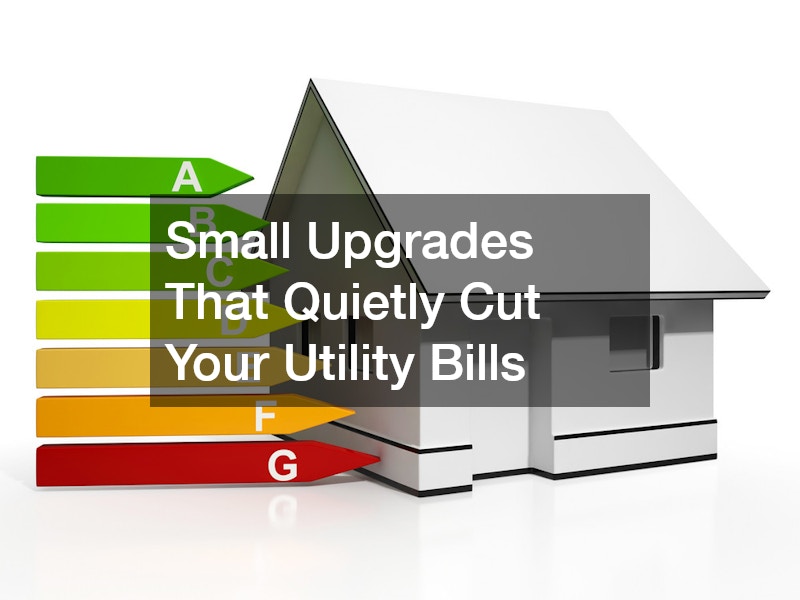

Utility bills have a way of creeping upward year after year, even when your habits stay the same. The good news is that you do not need a whole-house renovation to see real savings on heating, cooling, and water costs. Many of the most effective fixes are small, affordable, and easy to overlook until someone points them out.
This article walks through practical upgrades that quietly lower your monthly bills without demanding a major overhaul.
Sealing Gaps Around Exterior Doors
Drafts around doorframes are one of the most common and least expensive sources of energy loss in a home. Cold air seeping in during winter and hot air pushing through in summer forces your HVAC system to work overtime, and that extra effort shows up directly on your utility bill. A simple weatherstripping job or fresh door sweep can often solve the problem for under fifty dollars.
If your doors are older, warped, or no longer sit flush in their frames, sealing alone may not be enough. In these cases, exterior door replacement becomes the more cost-effective long-term solution, since newer models come with improved insulation cores and tighter factory seals. Homeowners who upgrade often notice an immediate difference in how evenly their homes hold temperature.
- Check for visible light gaps around the door frame at night using a flashlight
- Replace foam or vinyl weatherstripping every few years as it compresses and cracks
- Add a draft stopper or door sweep to block airflow at the bottom
- Inspect the threshold for gaps that let in moisture and cold air
Upgrading Garage Door Insulation and Seals
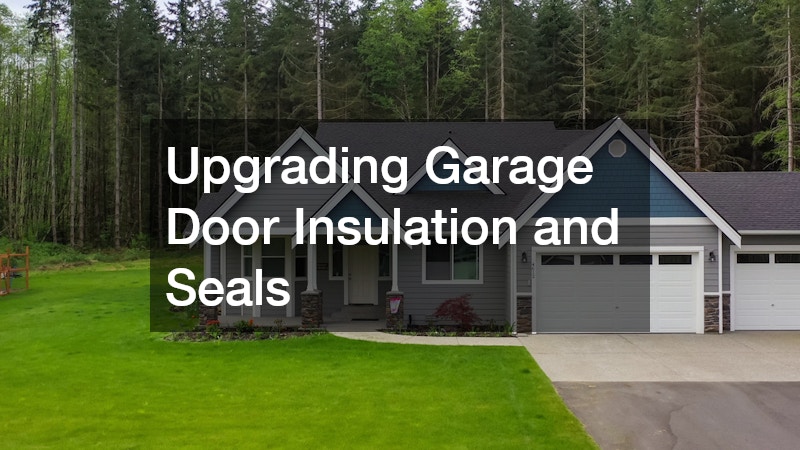
An uninsulated garage door can turn an attached garage into a giant heat sink, especially if there is a shared wall with living space above or beside it. This temperature swing often bleeds into adjacent rooms, making your furnace or air conditioner work harder than necessary. Adding an insulation kit to an existing door is a budget-friendly first step that many homeowners tackle themselves.
For garages with older, single-layer doors, professional garage door installations can offer a more complete fix, including better weather seals along the sides and bottom track. Modern doors are built with thermal breaks and denser insulation panels that do a much better job blocking outdoor temperature swings. This is particularly worthwhile if you use your garage as a workshop, gym, or storage space for temperature-sensitive items.
- Check the bottom seal for cracking or gaps where daylight shows through
- Consider an insulated door if your garage shares a wall with living space
- Look for weatherstripping along the side tracks, not just the bottom
- Test the door balance periodically, since a struggling opener uses more electricity
Choosing a Metal Roof for Long-Term Efficiency
Roofing material has a bigger impact on indoor temperature than most homeowners realize. Traditional asphalt shingles absorb heat and radiate it downward into the attic, which then pushes warm air into living spaces below. Reflective roofing surfaces can reduce this effect significantly, keeping upper floors noticeably cooler during summer months.
Working with experienced metal roofing installers gives you access to coatings specifically designed to reflect solar radiation rather than absorb it. While the upfront cost is higher than asphalt shingles, the durability and energy savings often balance out over the life of the roof. Many homeowners in hotter climates find this upgrade pays for itself faster than expected through reduced air conditioning use.
- Reflective metal roofing can lower attic temperatures by a noticeable margin
- Metal roofs typically last two to three times longer than asphalt shingles
- Lighter roof colors reflect more heat than darker finishes
- Proper attic ventilation still matters even with reflective materials
Scheduling Routine Maintenance for Your Furnace and Air Conditioner
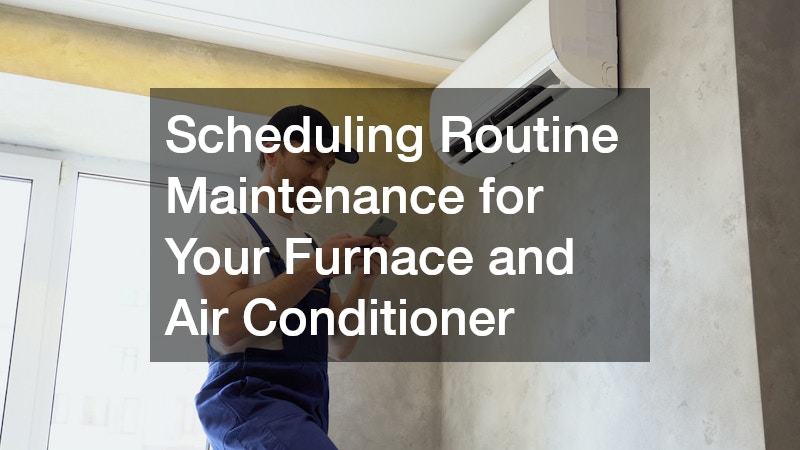
A neglected HVAC system loses efficiency gradually, often without any obvious warning signs until the unit fails outright. Dirty filters, clogged coils, and worn parts all force the system to consume more energy to produce the same amount of heating or cooling. Annual maintenance checks catch these small issues before they become expensive emergencies.
If your system is already struggling, calling for heating repair at the first sign of trouble is far cheaper than waiting for a full breakdown in the middle of winter. Strange noises, uneven heating, or a spike in your gas bill are all signals worth addressing quickly. A well-maintained furnace not only uses less energy but also tends to last significantly longer.
- Replace air filters every one to three months, depending on usage
- Schedule professional tune-ups once a year, ideally before peak season
- Keep vents and returns unblocked by furniture or rugs
- Listen for unusual sounds like banging, whining, or rattling
Replacing Aging Plumbing Fixtures and Pipes
Old plumbing does more than waste water through drips and leaks. Corroded pipes can also reduce water pressure and force water heaters to run longer to deliver the same amount of hot water. A licensed plumber can assess whether your home’s pipes are contributing to inflated utility bills through hidden inefficiencies.
Homes built before the 1980s may still have lead service lines, which pose both a health risk and a practical plumbing concern since they corrode more easily over time. Lead water line replacement is a significant upgrade, but many municipalities offer rebate programs to offset the cost given the public health benefits involved. Many plumbers recommend having older homes inspected even if no obvious symptoms are present, since corrosion can go unnoticed for years. Beyond safety, newer piping materials tend to be more efficient at maintaining consistent water pressure and temperature.
- Ask a plumbing professional to test your water pressure during routine visits
- Request a water quality test if your home was built before 1986
- Look into local or state rebate programs for lead line replacement
- Fix small drips promptly, since they add up to significant water waste over time
Installing Patio Shade Structures to Reduce Cooling Costs
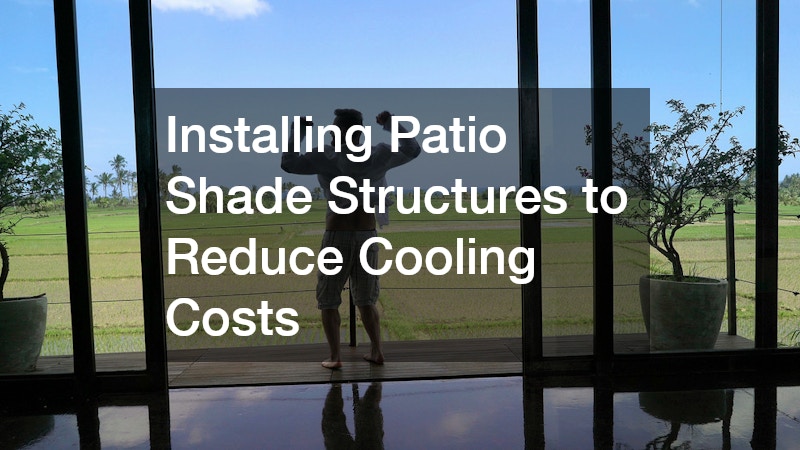
Direct sunlight hitting windows and exterior walls during peak afternoon hours can dramatically raise indoor temperatures, especially on south and west-facing sides of a house. Shading these areas before the sun ever reaches your walls reduces the burden on your air conditioning system. This is a simple passive cooling strategy that many homeowners overlook.
Retractable patio awnings are a flexible option since they can be extended during the hottest parts of the day and retracted when shade is not needed. Unlike permanent structures, awnings allow you to adjust for seasonal sun angles, maximizing warmth in winter and shade in summer. Many models now include motorized controls and sensors that automatically respond to sunlight and wind conditions.
- Focus shading efforts on south- and west-facing windows first
- Choose retractable options for seasonal flexibility
- Look for wind sensors on motorized awnings to prevent storm damage
- Combine awnings with reflective window film for added efficiency
Clearing Out Clutter That Blocks Airflow and Efficiency
It might seem unrelated to utility bills, but excess clutter in basements, attics, and garages can interfere with HVAC airflow, block vents, and even trap moisture that leads to mold growth. A cluttered attic often means insulation gets pushed aside or compressed, reducing its effectiveness. Clearing these spaces out is a low-cost step that supports the efficiency of systems you have already invested in.
For larger cleanup projects, hiring a junk removal service can save time and ensure old appliances, furniture, and debris are disposed of responsibly rather than left to pile up. This is especially useful when preparing a space for new insulation, ductwork inspection, or an attic conversion project. A clear, well-organized space also makes it easier to spot leaks, pest issues, or ventilation problems early.
- Check attic insulation for areas where it has been compressed or displaced
- Keep basement vents and returns clear of stored boxes
- Schedule seasonal cleanouts before HVAC maintenance visits
- Donate or recycle usable items instead of sending everything to landfill
Improving Outdoor Landscaping for Natural Insulation
Strategic landscaping acts as a natural buffer against wind, sun, and temperature swings, reducing the workload on your heating and cooling systems. Studies from the U.S. Department of Energy suggest well-placed trees and shrubs can cut air conditioning costs by up to 25% and trim heating bills significantly by blocking wind chill.
Deciduous trees planted on the south side of a home provide summer shade and then lose their leaves in winter, allowing sunlight through when you want it. Plant them 15 to 20 feet from your house so mature branches shade your roof and windows without crowding your foundation. Fast-growing options like maples or oaks are popular choices, though it’s worth checking with a local nursery about species suited to your climate and soil.
Evergreen shrubs or hedges planted on the north and northwest sides can block cold winter winds from reaching your walls, acting as a living windbreak. A dense row of arborvitae or spruce planted a few feet from the house creates a pocket of insulating air that reduces heat loss through walls and drafty windows. For best results, aim for a windbreak height at least as tall as the structure you’re trying to protect.
Beyond trees and shrubs, consider ground cover and mulch beds near your foundation, which help regulate soil temperature and reduce heat loss through basement walls. Vines trained on trellises along sun-facing walls offer another layer of seasonal shading without the long wait for tree maturity. Together, these small landscaping choices compound over the years into real, measurable savings on your utility bills.
Strategic landscaping works like a natural insulation system, shielding your home from harsh winds in winter and blocking direct sun in summer. Deciduous trees planted on the south and west sides are especially effective—their leaves provide dense shade during hot months, then drop in autumn to let welcome sunlight warm your home in winter.
A visit to your local garden center can help you choose plants suited to your climate zone and your home’s specific sun exposure. Staff there can often recommend fast-growing shade trees, such as maples or hybrid poplars, or windbreak shrubs like arborvitae and holly that fit your yard size and long-term maintenance preferences. They can also advise on proper spacing, since trees planted too close to your foundation may cause root damage, while those placed too far away won’t offer meaningful shade.
For maximum wind protection, consider planting dense evergreens on the north and northwest sides of your property, where cold winter gusts typically originate. A well-placed windbreak can reduce wind speed near your home by up to 50%, easing the strain on your heating system. Even smaller additions, like shrubs along a foundation, can create a layer of trapped air that reduces heat loss through exterior walls.
Thoughtful placement now can translate into measurable savings on heating and cooling within just a few years, often reducing energy bills by 10-25% once trees mature. While the upfront investment and patience required may feel modest compared to indoor upgrades, the long-term payoff for both comfort and cost makes it well worth the planning.
- Plant shade trees on the south and west sides of the house to block intense summer sun; deciduous varieties like maple or oak lose their leaves in winter, letting sunlight through when you want it
- Position trees 15-20 feet from the house so roots don’t damage the foundation while canopies still shade windows and walls
- Use evergreen shrubs or trees like arborvitae or spruce as windbreaks on the north side to reduce cold winter drafts hitting the house
- Space windbreak plantings far enough from walls to avoid trapping moisture against siding, which can lead to rot or mold
- Choose native plants that require less water and maintenance, since they’re adapted to local rainfall and soil conditions
- Group plants by water needs (xeriscaping) to cut down on irrigation costs even further
- Mulch garden beds near the foundation 2-3 inches deep to help regulate soil temperature and retain moisture
- Refresh mulch annually and keep it a few inches away from siding to prevent pest issues and wood rot
Considering Energy Efficient Upgrades During New Construction
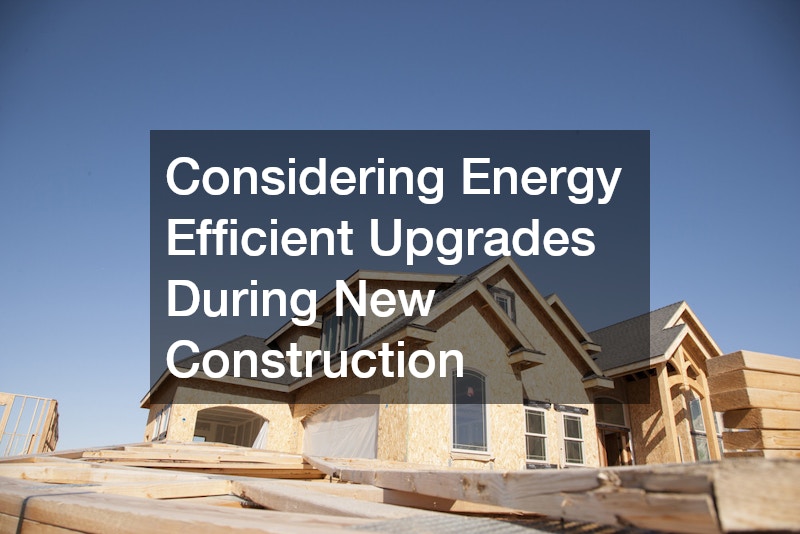
If you are building a new home or planning a major addition, energy efficiency is far easier and cheaper to build in from the start than to retrofit later. Working with luxury home builders who specialize in high-performance construction gives you access to advanced insulation techniques, energy-efficient window placement, and smart HVAC zoning from day one. These upfront decisions often have a bigger long-term impact than any single upgrade made after move-in.
Builders experienced in energy-efficient design can also guide decisions around orientation, roofline, and window sizing that passively reduce heating and cooling demands for decades to come. While this route requires a larger upfront investment, the compounding savings on utility bills over the life of the home can be substantial. It is worth discussing energy performance goals explicitly during the design phase rather than treating them as an afterthought.
- Ask about home orientation relative to sun path during the design phase
- Request higher efficiency window packages even if it raises upfront cost
- Discuss zoned HVAC systems for larger homes with varied usage patterns
- Inquire about energy modeling reports before finalizing blueprints
Conclusion
None of these upgrades require a complete home overhaul, yet together they can meaningfully reduce what you pay every month for heating, cooling, and water. Start with the smallest, most affordable fixes, like sealing doors and scheduling routine maintenance, then work toward larger investments as your budget allows. Small, consistent improvements add up faster than most homeowners expect, both in comfort and in savings.