
Key Takeaways
- Assess your family’s long-term needs before expanding to ensure the new space remains practical as your household grows and lifestyles change.
- Choose the right type of project for your home and budget, whether it’s converting existing space or building a modest extension that delivers the most functionality.
- Create a detailed budget that includes hidden expenses such as permits, design fees, inspections, and a contingency fund to avoid costly surprises.
- Focus on flexible, multi-purpose spaces that can adapt to changing needs while also improving your home’s resale appeal.
- Use smart design strategies to control costs, including simple layouts, efficient utility placement, and durable materials that reduce future maintenance.
- Work with experienced, licensed professionals who understand local building codes and can help keep the project on schedule and within budget.
- Plan for long-term value instead of short-term savings, investing in quality construction and energy-efficient features that enhance comfort, durability, and overall home value.
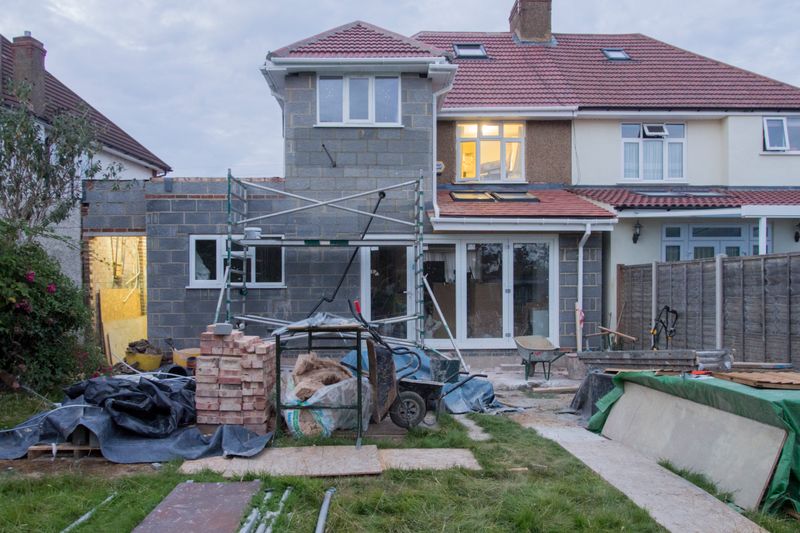
Growing families often reach a point where their current home no longer fits their lifestyle. Maybe a new baby is on the way, children are sharing bedrooms, aging parents are moving in, or remote work has become a permanent part of daily life. While buying a larger home may seem like the obvious solution, rising housing prices, moving expenses, and limited inventory have encouraged many homeowners to expand their existing homes instead. Well-planned additions offer the opportunity to gain valuable square footage while remaining in a neighborhood you already love.
The key, however, is affordability. Home additions don’t have to involve extravagant designs or six-figure budgets to make a meaningful difference. By prioritizing practical improvements, choosing the right type of addition, and carefully planning every stage of the project, families can create more functional living spaces without unnecessary financial strain. This guide explores everything you need to know about affordable home additions—from selecting the right project to maximizing long-term value—so your growing family can enjoy more comfort, flexibility, and peace of mind for years to come.
Why are More Families Choosing to Expand Instead of Move?
As housing markets continue to evolve, many families are discovering that staying put often makes more financial and emotional sense than purchasing another property. Between higher mortgage rates, moving expenses, closing costs, and the challenge of finding a larger home in the right location, relocating isn’t always the most practical solution.
Fortunately, thoughtful home additions allow homeowners to customize their living space around their family’s needs while preserving the benefits of their current property. Whether it’s remaining close to schools, maintaining neighborhood relationships, or avoiding the stress of moving, expanding an existing home offers significant advantages. Understanding why more homeowners are making this choice can help you determine whether an addition is the right investment for your household.
Some of the biggest reasons include:
- Avoiding relocation costs
Selling one home and buying another often involves agent commissions, taxes, inspections, moving companies, and higher mortgage payments. - Keeping children in familiar schools
Remaining in the same school district can provide valuable stability during important developmental years. - Preserving community connections
Long-term neighbors, nearby family members, and familiar amenities often outweigh the appeal of a larger home elsewhere. - Customizing your space
Additions allow homeowners to create rooms designed specifically for their family’s lifestyle instead of compromising on an existing floor plan. - Increasing property value
Well-designed additions often improve resale potential while providing immediate benefits.
How Can You Determine Whether Your Family Truly Needs More Space?
Feeling cramped doesn’t automatically mean you need a major addition. Before committing to construction, it’s worth evaluating how your family actually uses your current home. Sometimes small layout adjustments solve the problem, while other situations genuinely require more square footage. Taking time to assess your daily routines helps ensure you’re investing in the right solution instead of simply adding space for the sake of it.
Think beyond today’s needs as well. Children grow quickly, work situations change, and family dynamics evolve over time. Planning with the future in mind helps create an addition that continues serving your household for many years.
Ask yourself questions like:
- Are children sharing bedrooms longer than expected?
- Do family members lack private work or study space?
- Has a parent or relative moved into your home?
- Is storage becoming a daily frustration?
- Are entertaining and family gatherings becoming difficult?
If you answered “yes” to several of these questions, an addition may offer lasting value.
What Types of Affordable Home Additions Work Best?
Not every addition requires building an entirely new wing onto your home. Many cost-effective projects make use of existing structures or relatively simple expansions that minimize construction costs while maximizing usable living space.
The best addition depends on your home’s layout, available land, zoning regulations, and long-term goals. Understanding the different options available allows you to balance affordability with functionality while avoiding unnecessary expenses.
Popular affordable additions include:
Bump-Out Additions
Small extensions expand an existing room without requiring a completely separate structure.
Common uses include:
- Larger kitchens
- Expanded bathrooms
- Breakfast nooks
- Dining areas
Because they require less material and labor than full additions, bump-outs are among the most budget-friendly options.
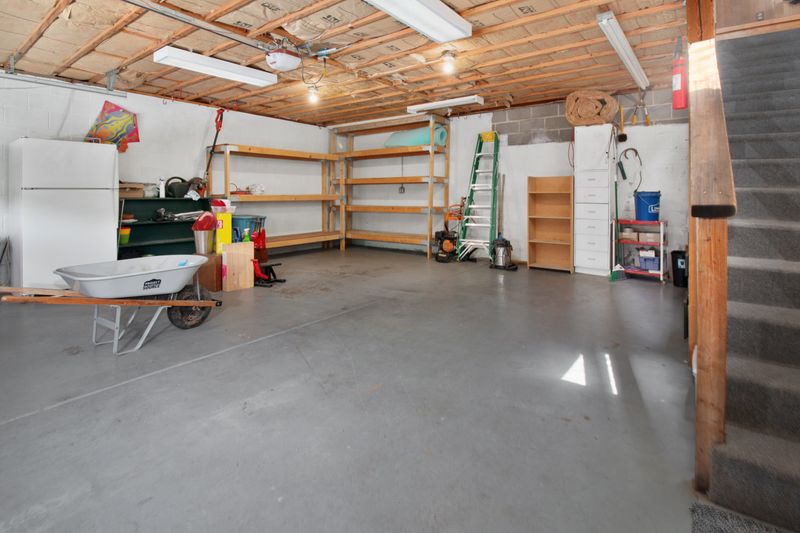
Garage Conversions
Existing garages already have walls, roofs, and foundations, making them excellent candidates for conversion.
Many families transform garages into:
- Home offices
- Guest bedrooms
- Playrooms
- Family rooms
Attic Conversions
Unused attic space can become valuable living space with proper insulation, flooring, and ventilation.
Ideal uses include:
- Teen bedrooms
- Reading rooms
- Hobby spaces
- Quiet offices
Basement Finishing
If your basement is unfinished, completing it often costs less than constructing an entirely new addition.
Finished basements commonly include:
- Entertainment rooms
- Guest suites
- Children’s play areas
- Home gyms
Sunrooms
A modest sunroom creates additional living space while allowing natural light to fill the home.
Depending on insulation and HVAC, sunrooms may be seasonal or year-round spaces.
How Do You Set a Realistic Budget?
One of the biggest reasons home additions exceed expectations is poor budgeting. Many homeowners focus only on construction costs while overlooking permits, design fees, inspections, utility upgrades, landscaping, and contingency expenses.
Creating a comprehensive budget before construction begins helps reduce financial surprises and keeps your project moving smoothly. It also allows you to make informed decisions about materials, finishes, and project scope without sacrificing quality where it matters most.
Your budget should include:
- Design fees
- Engineering costs
- Building permits
- Contractor labor
- Materials
- Electrical work
- Plumbing
- HVAC modifications
- Flooring
- Painting
- Lighting
- Landscaping repairs
- Furniture
- Temporary living expenses if necessary
- Emergency contingency fund (typically 10–20%)
Avoid spending your entire budget on construction alone.
Which Addition Gives You the Best Value?
Every family has different priorities, meaning the “best” addition depends on how you’ll use the new space. However, some projects consistently provide better value than others because they improve functionality while remaining attractive to future buyers.
Focusing on versatile additions helps ensure your investment continues paying dividends long after construction is complete. Rooms that can serve multiple purposes tend to appeal to a wider range of homeowners if you eventually decide to sell.
Generally, the best returns come from:
- Bedroom additions
- Bathroom additions
- Expanded kitchens
- Family rooms
- Finished basements
- Flexible bonus rooms
Rooms with multiple possible uses tend to offer the greatest long-term value.
Should You Build Out or Build Up?
One of the earliest decisions you’ll face is whether to expand outward into your yard or add another level above your existing home. Each approach comes with unique advantages, challenges, and costs.
The right choice depends on your lot size, foundation strength, zoning restrictions, and overall budget. Carefully weighing these factors early in the planning process helps prevent costly redesigns later while ensuring the finished project complements your home’s structure.
Building Out
Advantages:
- Simpler construction
- Easier access
- Less disruption upstairs
- Lower structural complexity
Challenges:
- Reduces yard space
- May require foundation work
- Landscaping changes
Building Up
Advantages:
- Preserves outdoor space
- Larger expansion opportunities
- Better views
Challenges:
- Greater structural requirements
- Longer construction
- Higher costs
Consulting a structural engineer early helps determine which option suits your property.
How Can Smart Design Keep Costs Low?
Affordable doesn’t mean sacrificing comfort or appearance. In fact, strategic design choices often have a greater impact on cost than the size of the addition itself. By simplifying layouts and selecting materials carefully, homeowners can achieve attractive results while staying within budget.
Good planning also reduces future maintenance expenses, making the addition more economical throughout its lifespan. Working closely with experienced designers and contractors helps identify opportunities to save money without compromising durability or functionality.
Cost-saving design ideas include:
- Keep plumbing near existing lines.
- Use standard window sizes.
- Choose simple rooflines.
- Minimize structural changes.
- Use durable, low-maintenance materials.
- Reuse existing doors where possible.
- Keep room shapes rectangular.
Simple designs typically cost less than highly customized layouts.
What Permits and Regulations Should You Expect?
Adding onto your home involves more than hiring a contractor and starting construction. Most municipalities require permits, inspections, and compliance with local building codes before work can begin. Ignoring these requirements can result in fines, project delays, or complications when selling your home later.
Understanding the approval process ahead of time helps establish realistic timelines and budgets. While permit requirements vary by location, preparing the necessary documentation early makes the experience much smoother.
Common requirements include:
- Building permits
- Zoning approval
- Structural inspections
- Electrical inspections
- Plumbing inspections
- HVAC inspections
- Final occupancy approval
Never skip permits to save money.
How Can You Prepare Your Home Before Construction Begins?
Construction inevitably disrupts daily routines, but proper preparation minimizes inconvenience and helps protect your belongings. Taking proactive steps before work starts can reduce stress for everyone in the household, especially families with young children or pets.
Preparing your home also allows contractors to work more efficiently, potentially shortening the project timeline. A little planning beforehand often prevents unnecessary delays once construction is underway.
Preparation checklist:
- Remove furniture from nearby rooms.
- Protect valuables.
- Cover flooring.
- Create temporary living areas.
- Plan alternate cooking arrangements.
- Notify neighbors.
- Secure pets.
- Discuss work schedules with your contractor.
Preparation helps projects run more efficiently.
What Mistakes Should Families Avoid?
Even well-intentioned renovation projects can become more expensive or stressful than expected when common mistakes go unchecked. Rushing decisions, underestimating costs, or prioritizing appearance over functionality often leads to regret once construction is complete.
Learning from the experiences of other homeowners can help you avoid costly setbacks and create an addition that truly supports your family’s needs for years to come.
Avoid these mistakes:
- Building without a long-term plan
- Ignoring resale value
- Choosing the lowest bid automatically
- Changing designs during construction
- Forgetting storage space
- Underestimating permit timelines
- Skipping contingency funds
- Using poor-quality materials
Planning thoroughly saves both time and money.
How Can You Save Money Without Sacrificing Quality?
Saving money isn’t about choosing the cheapest materials or cutting corners. Instead, it’s about making informed decisions that balance cost, durability, and long-term performance. Investing wisely during construction often reduces future repair and maintenance expenses.
Homeowners who prioritize value over short-term savings typically enjoy better results and greater satisfaction with their finished addition. Strategic planning allows you to stretch your budget while still creating a space your family will enjoy for years.
Consider these money-saving strategies:
- Compare multiple contractor estimates.
- Purchase materials during seasonal sales.
- Select durable finishes.
- Phase projects if necessary.
- Keep existing utility locations.
- Avoid unnecessary luxury upgrades.
- Invest in energy-efficient insulation.
These decisions often lower both initial and ongoing costs.
How Does Good Planning Support Long-Term Homeownership?
An affordable addition should continue serving your family well beyond the completion of construction. Thinking ahead allows you to design spaces that remain flexible as children grow, lifestyles change, and household needs evolve over time.
Long-term planning also makes future improvements easier by integrating additions seamlessly into the home’s overall design. This approach protects your investment while enhancing everyday comfort.
For example, homeowners focused on maintaining a home often choose durable flooring, energy-efficient windows, and easy-to-clean finishes that reduce future upkeep while improving day-to-day convenience.
Likewise, those renovating an older home should evaluate existing electrical systems, plumbing, insulation, roofing, and structural components before beginning an addition to ensure the new construction integrates safely with the original structure.
Thinking several years ahead creates a home that adapts to changing family needs instead of requiring another major renovation.
How Do You Choose the Right Contractor?

Selecting the right contractor can be just as important as choosing the right addition. A skilled professional helps keep the project on schedule, communicates clearly, and delivers quality workmanship that stands the test of time.
Taking the time to research potential contractors reduces the risk of delays, unexpected expenses, and disappointing results. Asking detailed questions before signing a contract helps establish clear expectations for everyone involved.
Look for contractors who:
- Are properly licensed and insured.
- Have experience with home additions.
- Provide detailed written estimates.
- Offer references from recent clients.
- Communicate timelines clearly.
- Explain warranty coverage.
- Maintain transparent payment schedules.
Don’t base your decision solely on price. Experience, reputation, and communication are equally important.
Conclusion
Affordable home additions offer growing families an opportunity to create more comfortable, functional living spaces without the financial and emotional challenges of moving. Whether you’re expanding a kitchen, converting an attic, finishing a basement, or adding a flexible family room, success begins with thoughtful planning and realistic budgeting. By carefully evaluating your family’s current and future needs, choosing cost-effective designs, working with qualified professionals, and focusing on long-term value, you can transform your home into a space that grows alongside your household. A well-planned addition isn’t simply extra square footage—it’s an investment in your family’s comfort, convenience, and quality of life for many years to come.